Disconnect. The Brewery, Onishi, Japan 2025
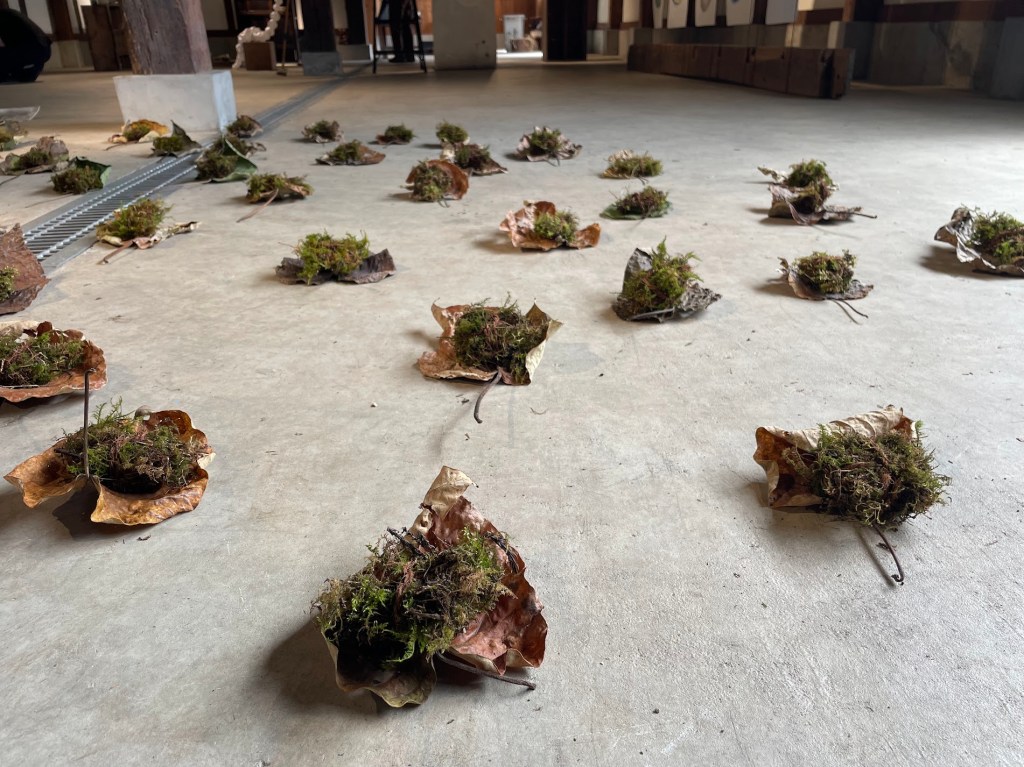
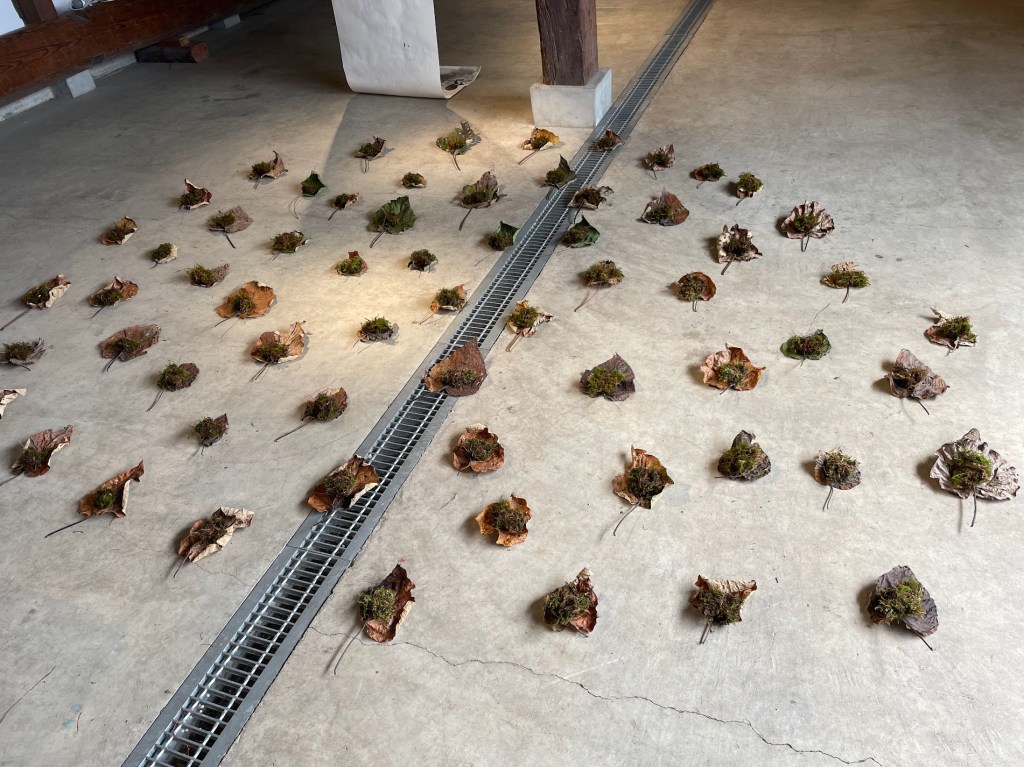
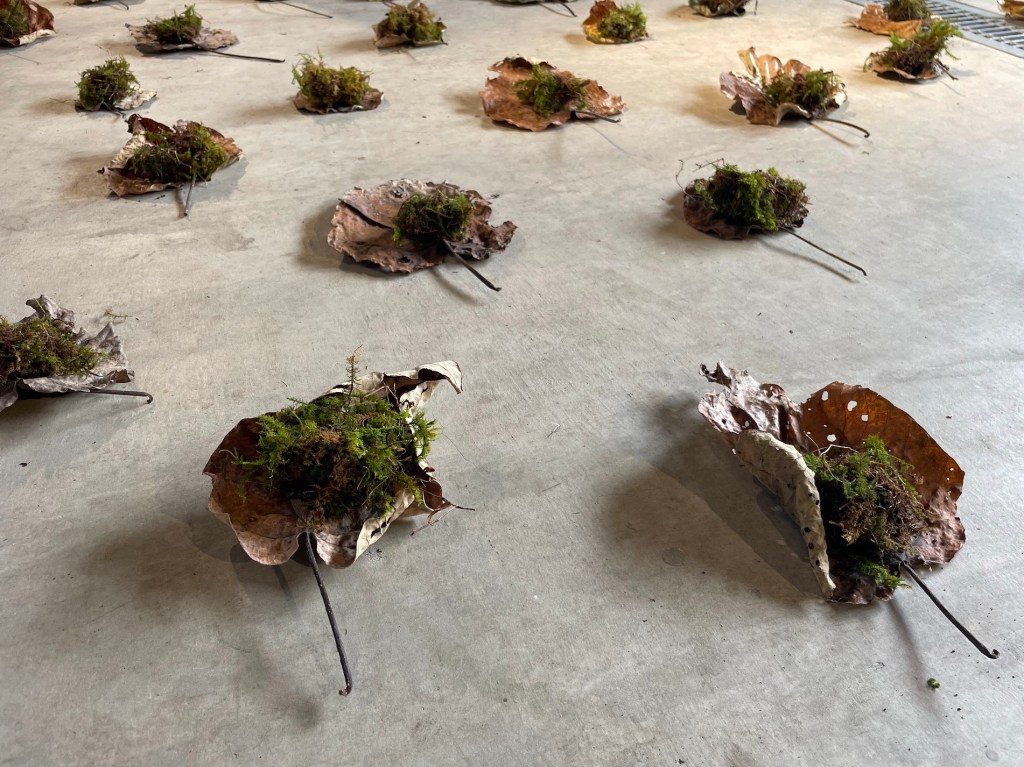
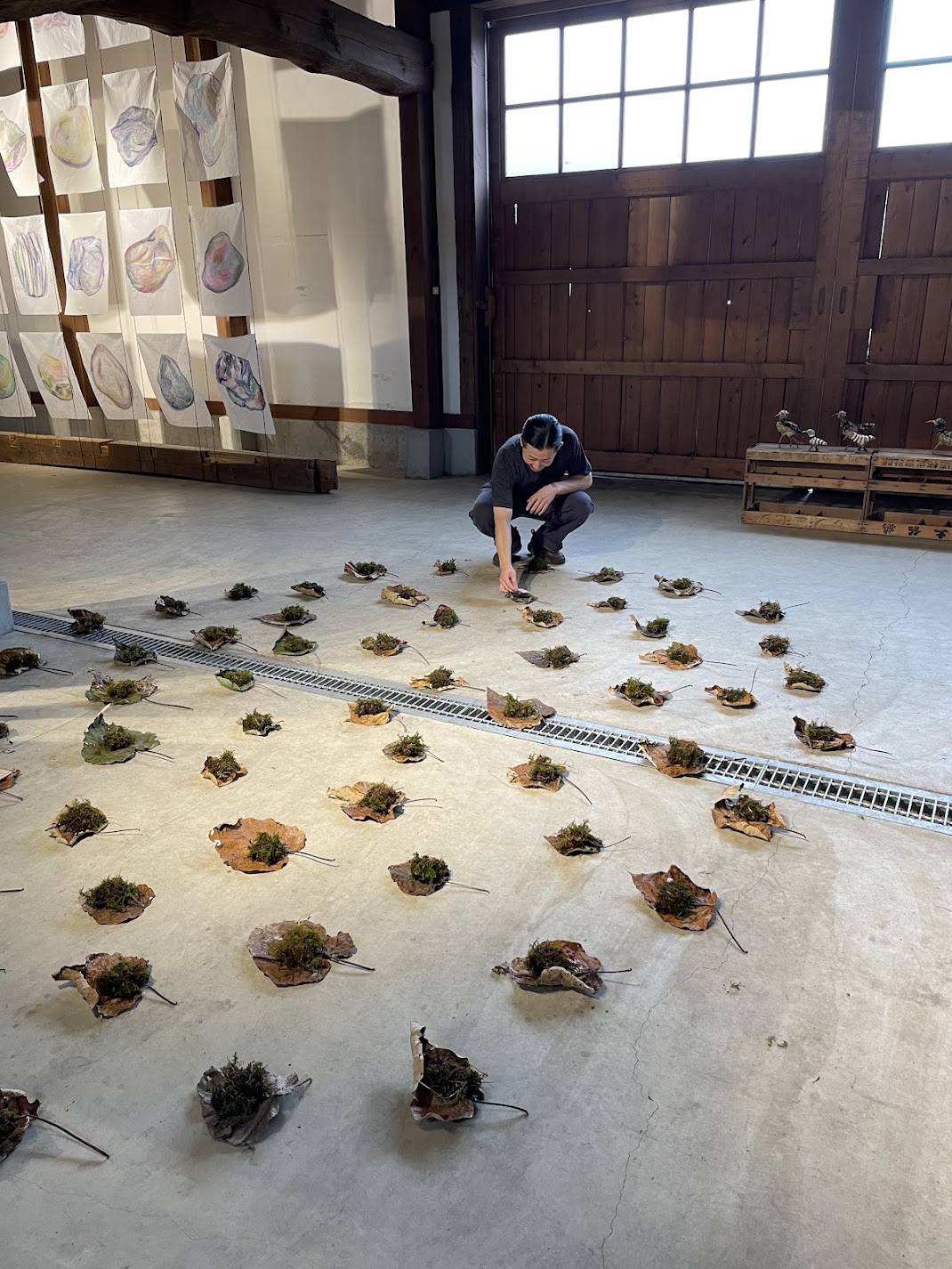
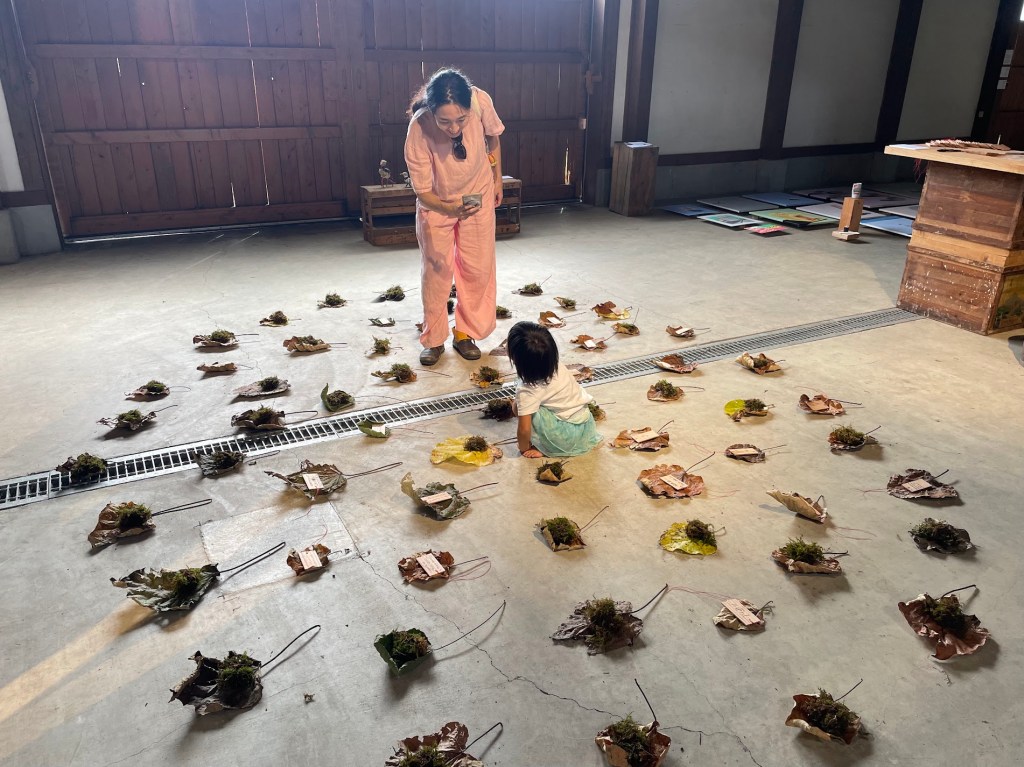
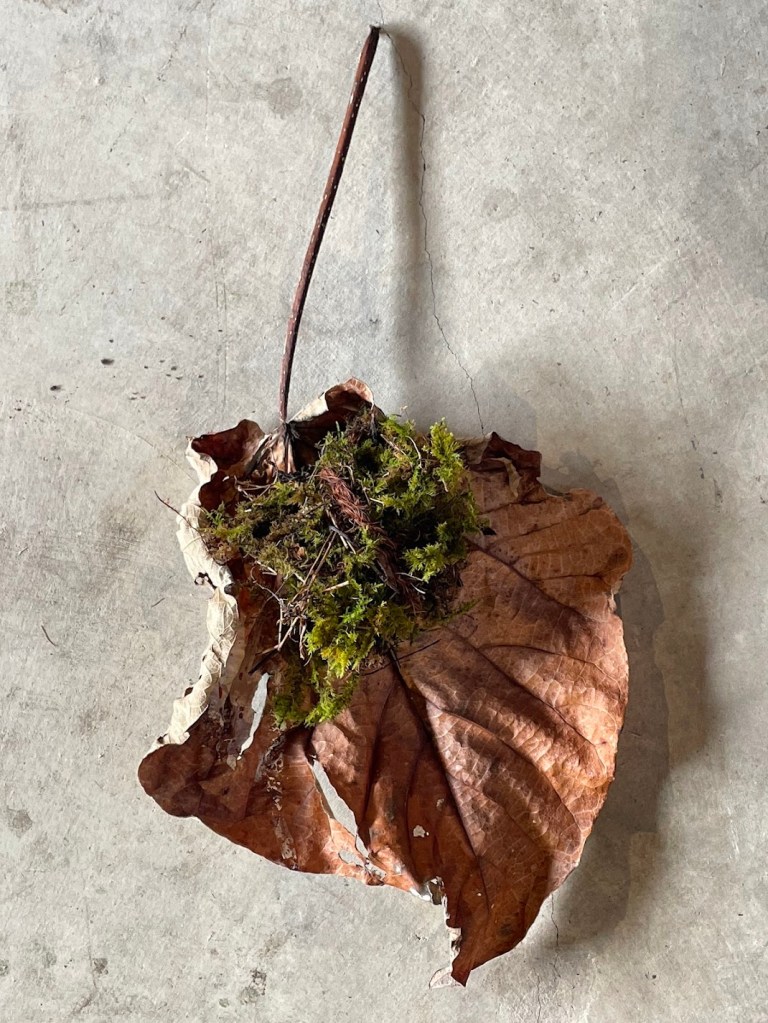
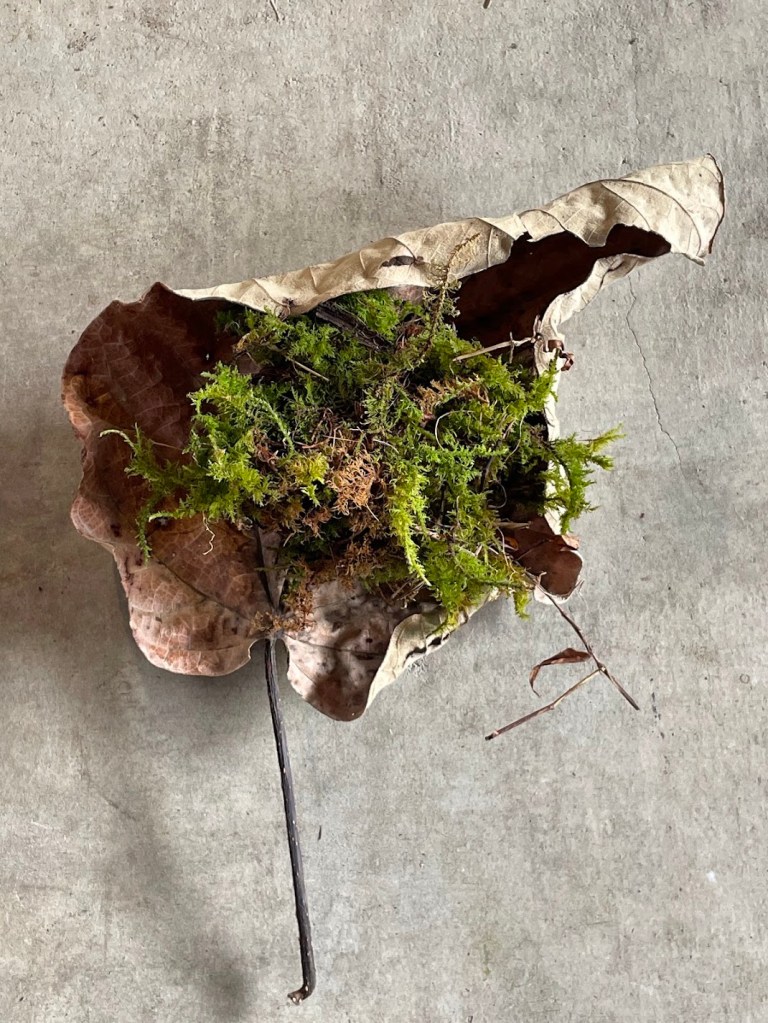
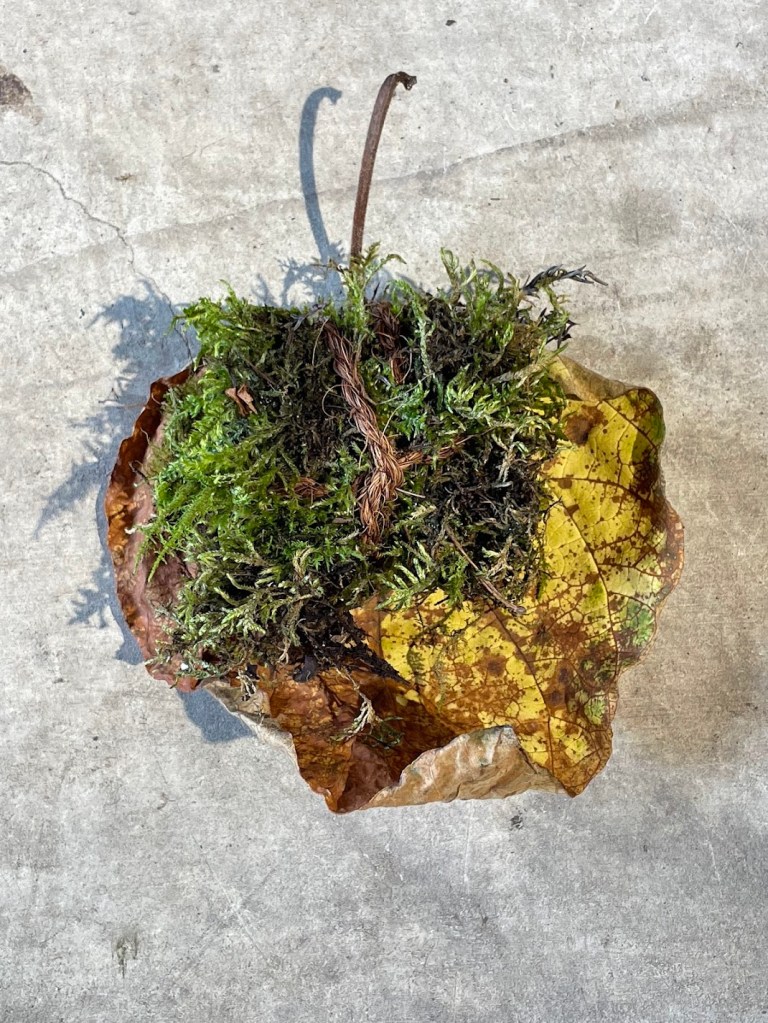
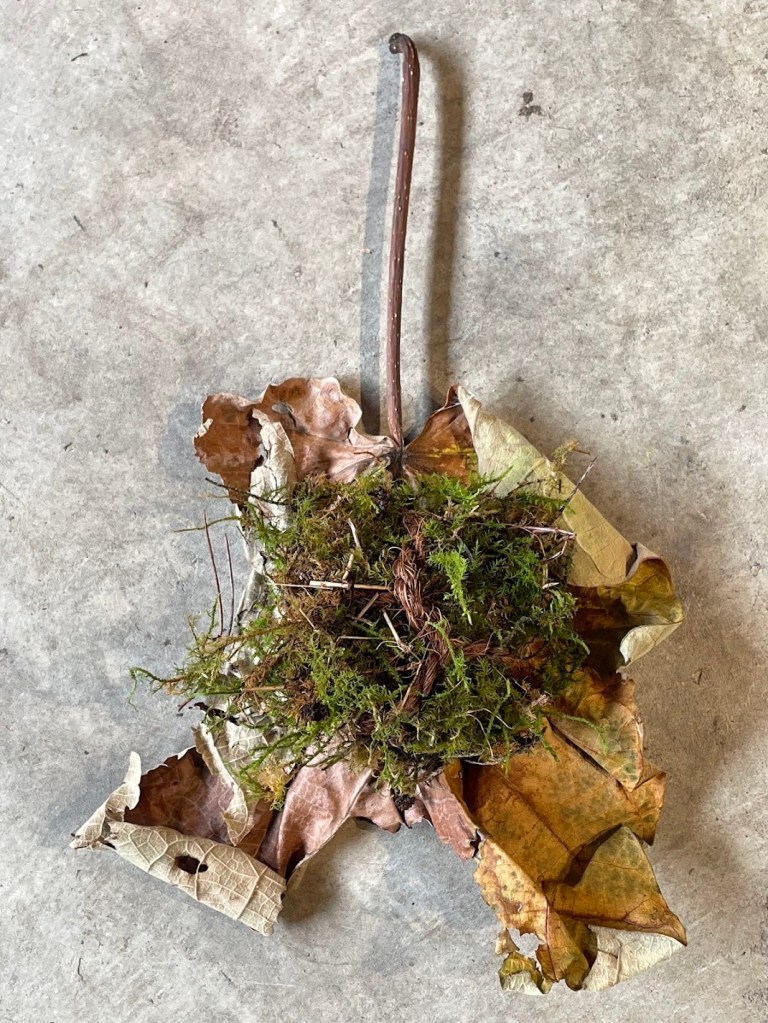
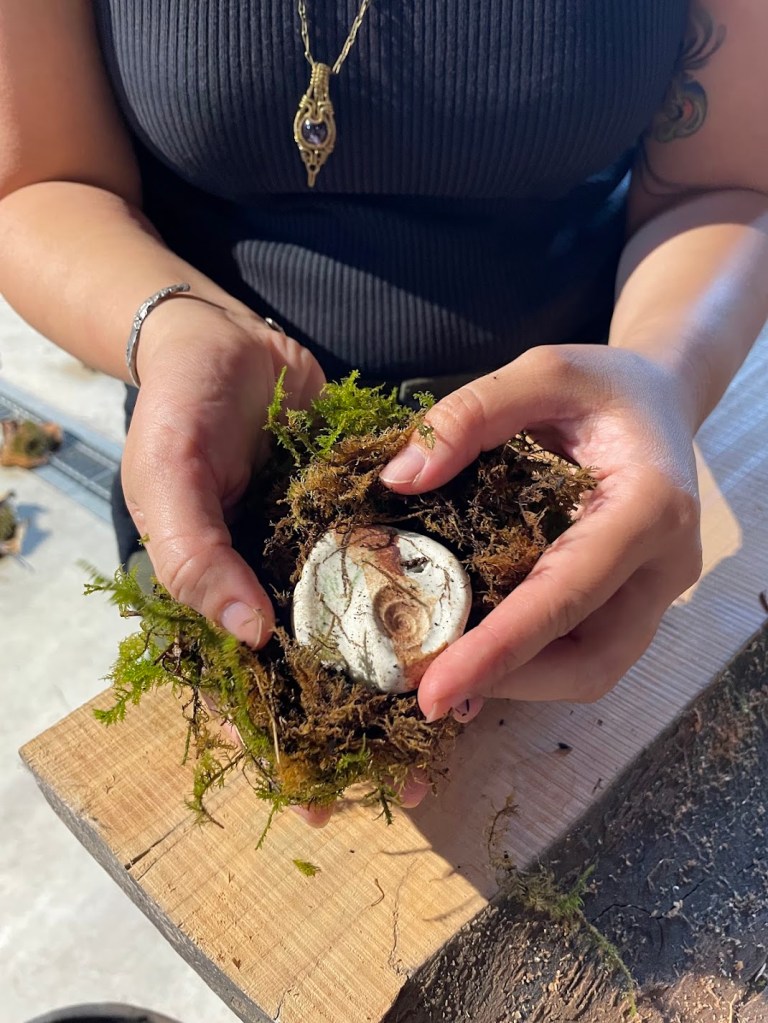
Love and respect for the natural environment is deeply embedded in Japanese culture. Onishi, surrounded as it is by forests and mountains has nature very close, yet there is a separateness. 64 parcels make up the installation. This number closely corresponds to the number of endangered and critically endangered birds in Japan. Inside the soft, mossy wrapping of the parcel, is a porcelain keepsake, handmade and decorated. The moss was found discarded by local road workers and gathered on neighbourhood walks. Each parcel is tied with string made from local palm fibre and positioned on a fallen pauwliana tree leaf gathered from the brewery garden behind the studios. It was autumn.
Onishi residents, surrounded by the mountains and rivers live amongst nature yet there is a cultural divide; a very strong sense that nature is separate from humans. This work invites people to get closer to nature. The closer they get, the more they will care. The more people care, the more they will step up to protect what’s left.
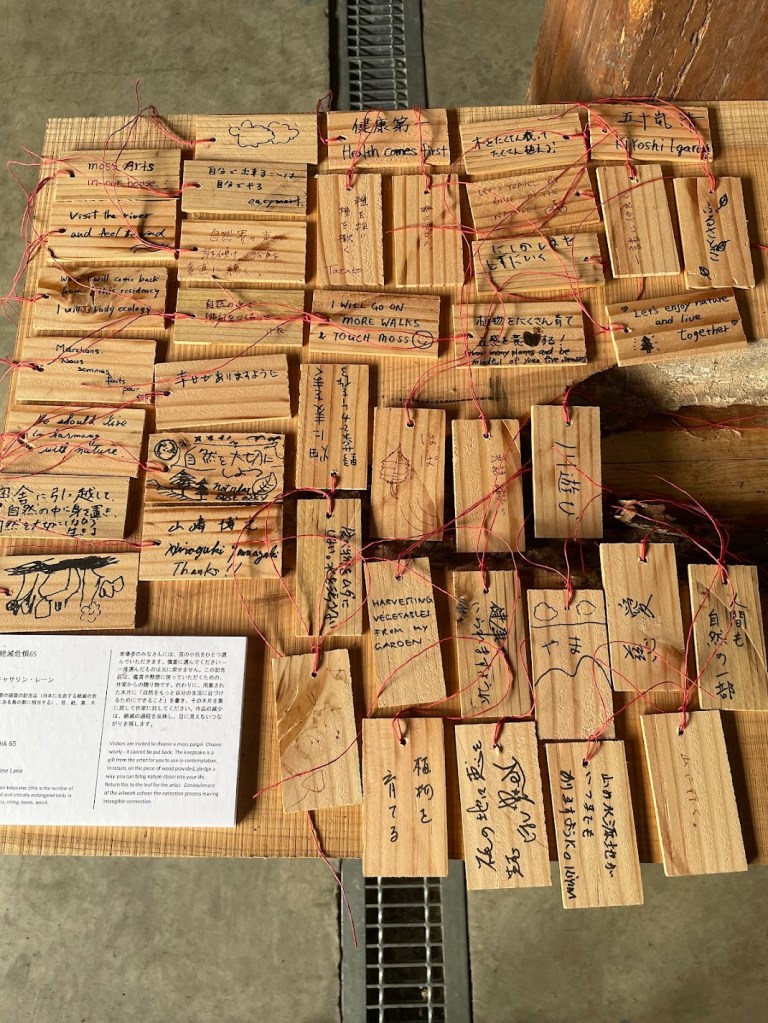
Visitors were invited to take a parcel as a gift from the artist and in exchange, write down on a slip of pine one way they could bring nature closer to their life. In the same way they might leave a wish at a temple, their responses were returned to the same leaf.
Separator. The Brewery, Onishi, Japan 2025
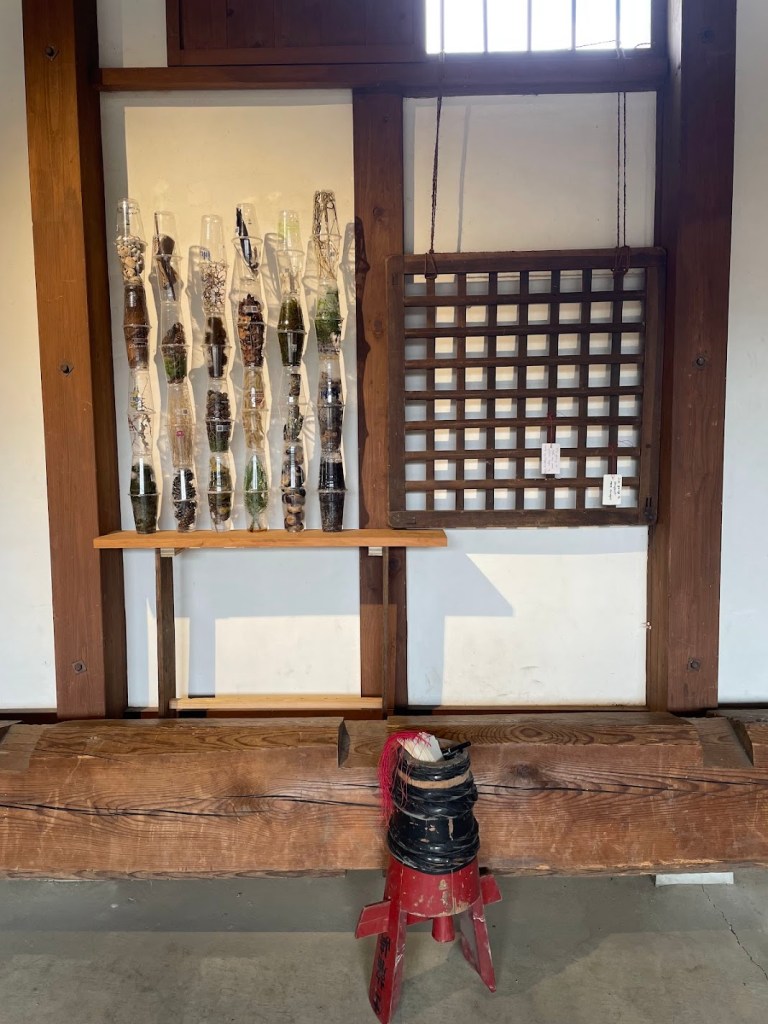
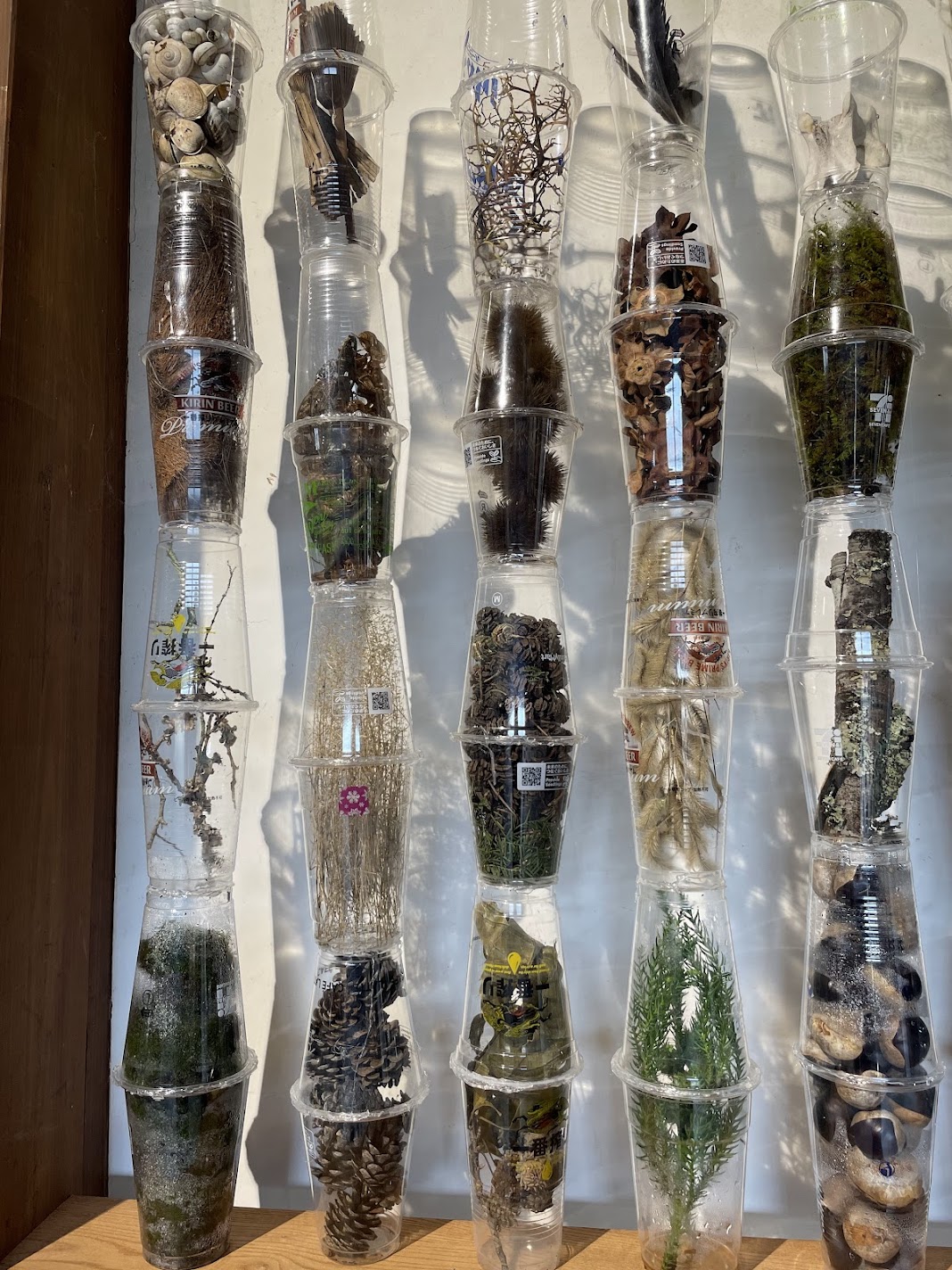
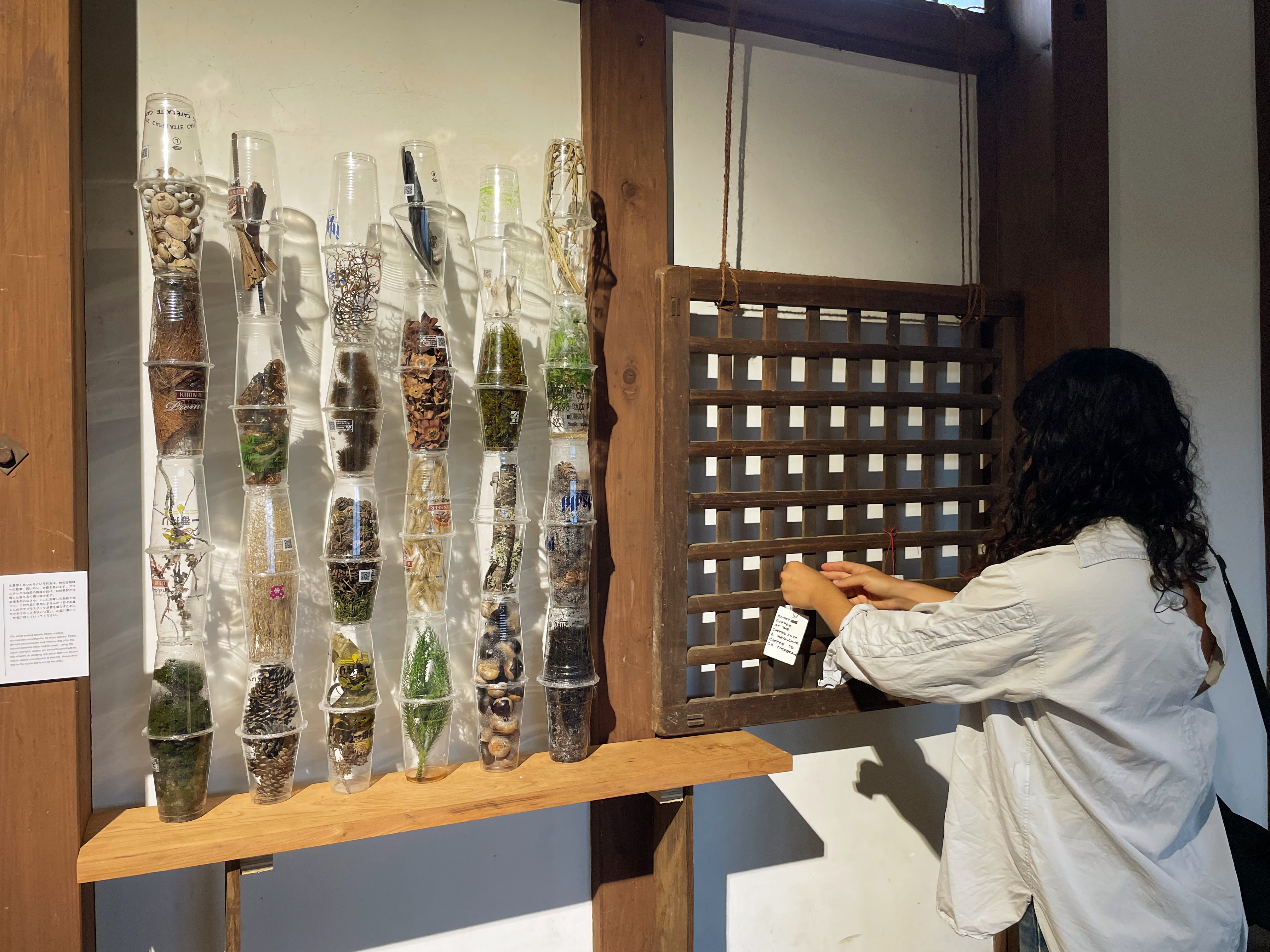
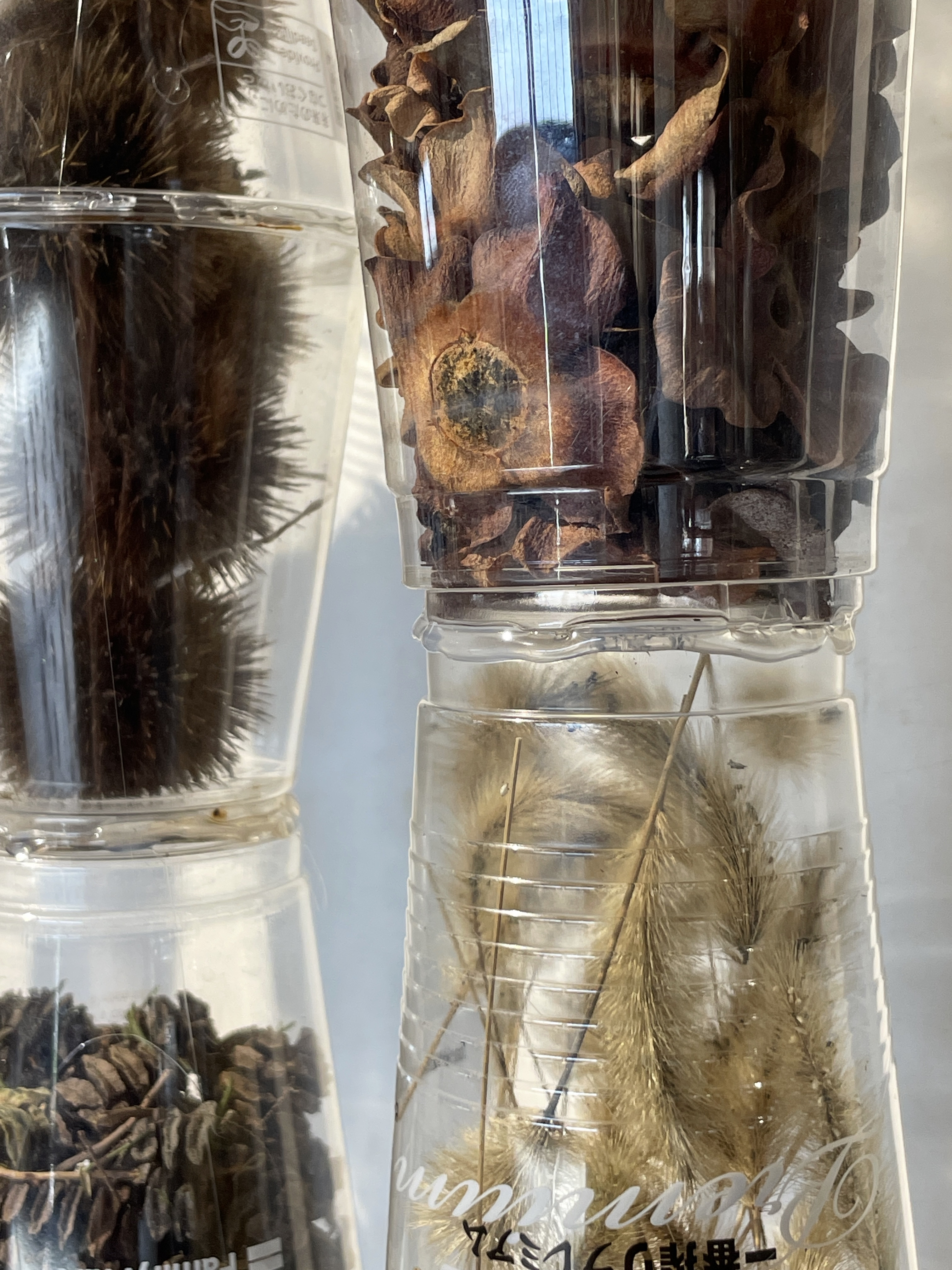
Materials: Used plastic cups, various organic materials including: cicada shells, grass heads, roadkill bone, feathers, moss, seeds, conifer branches, snail shells, pomegranite calyx’s, washi paper and red washi string.
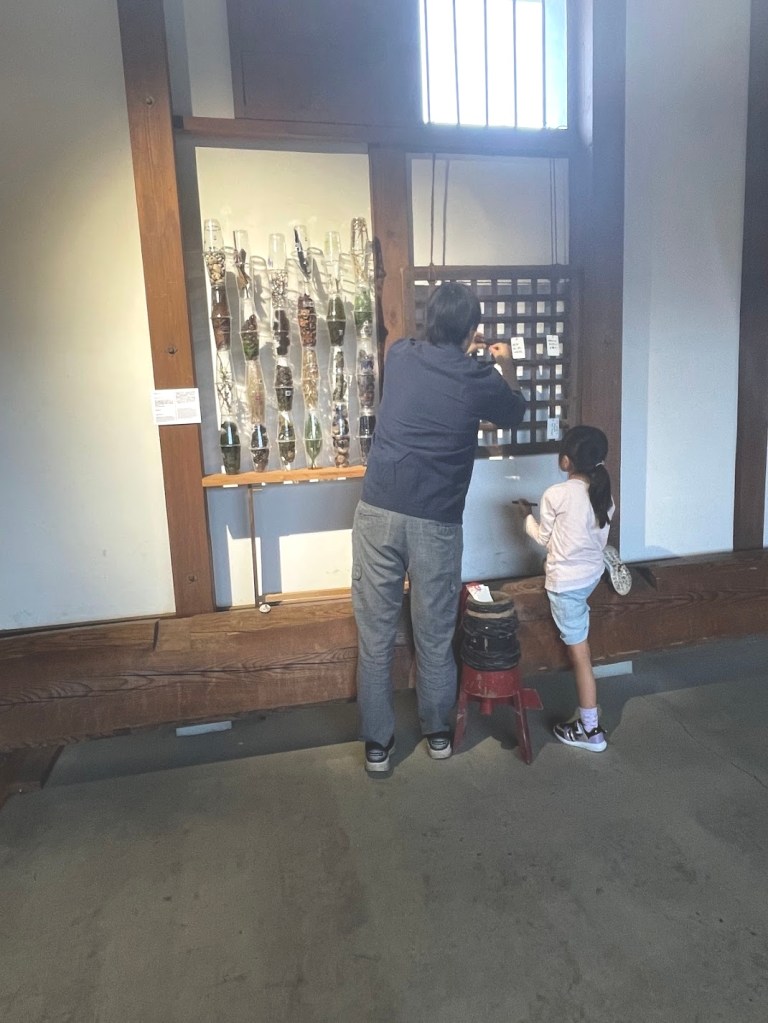
Single use virgin plastic products are prevalent in Japan. Although these cups are made to stack one inside the other, when inverted, they create isolated internal spaces. Repeatedly stacked vertically, these make visually interesting columns of contained space. Each internal space then filled with an organic material and sealed, became an independent, isolated system subject to decomposition over time. In contrast, because plastic lasts indefinitely, the cups served to separate the internal natural world from the external world, allowing only visual examination by humans. Separator is thus a physical exemplar of the human:nature disconnect.
Visitors engaging with this work were invited to reflect on one way they could use less plastic in their life. They were asked to write it on a piece of washi and hang it on the frame provided in the same way that wishes are left as offerings at Japanese temples.


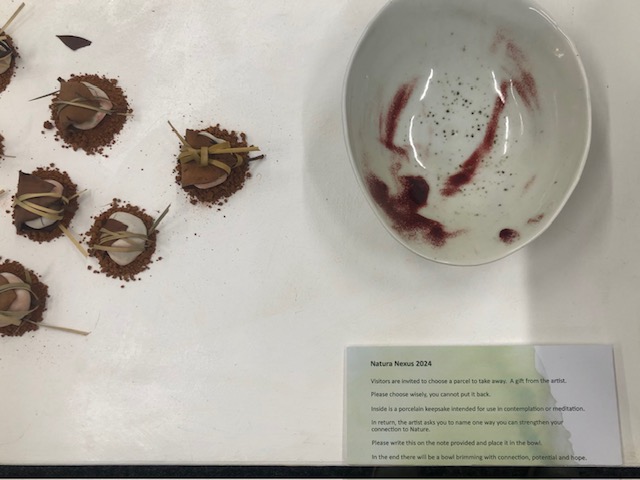
Natura Nexus, Lennox Art Collective 2024.
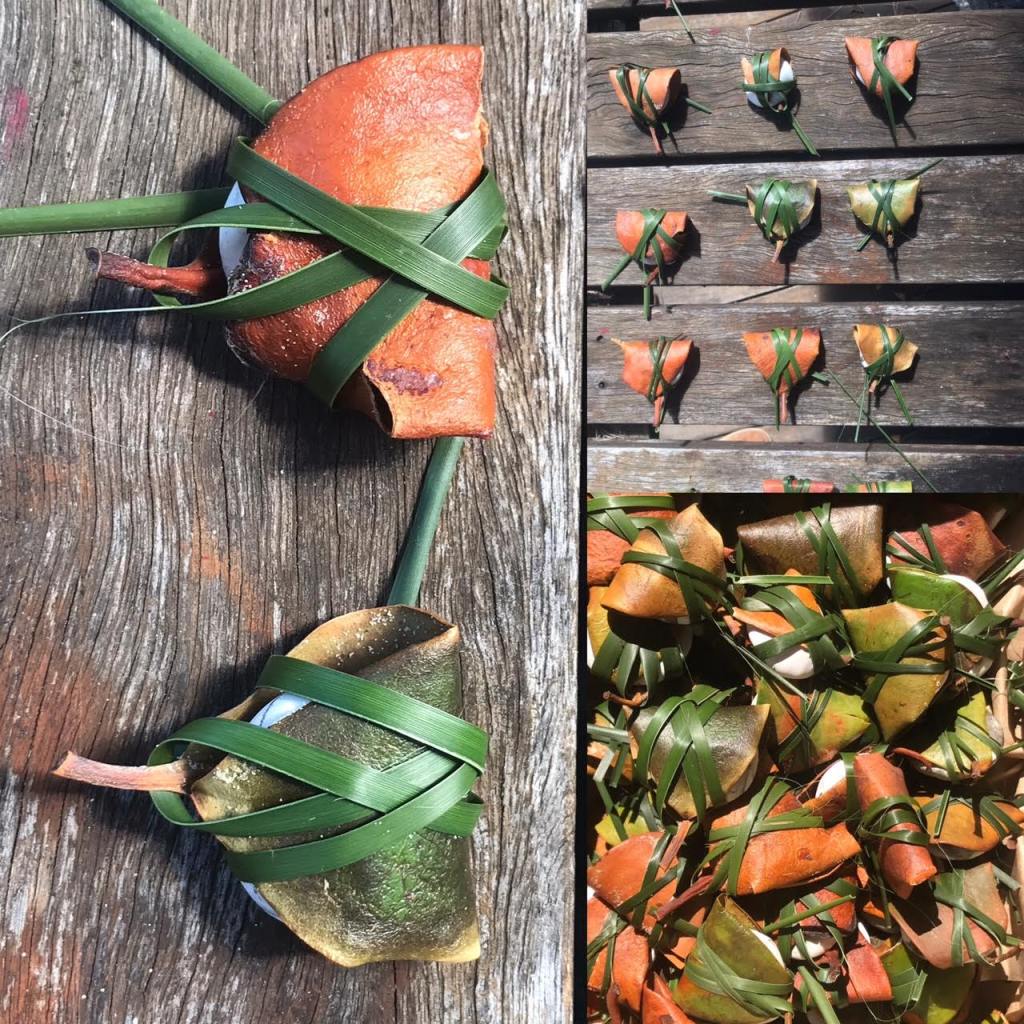
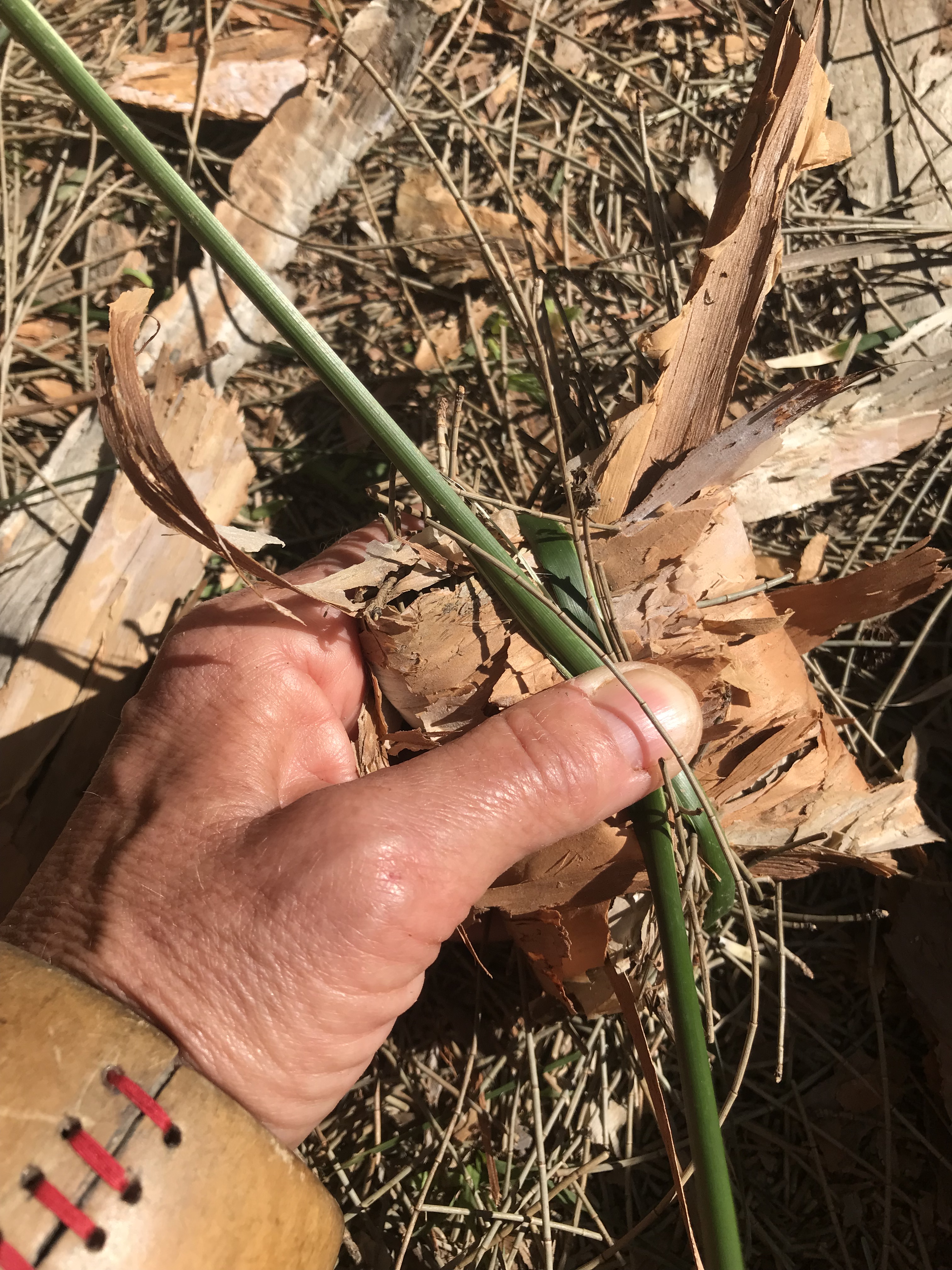
Porcelain (modelled, impressed, decorated and polished), earth, mangrove leaves (mangroves at risk due to habitat loss), lomandra leaves, drafting film.
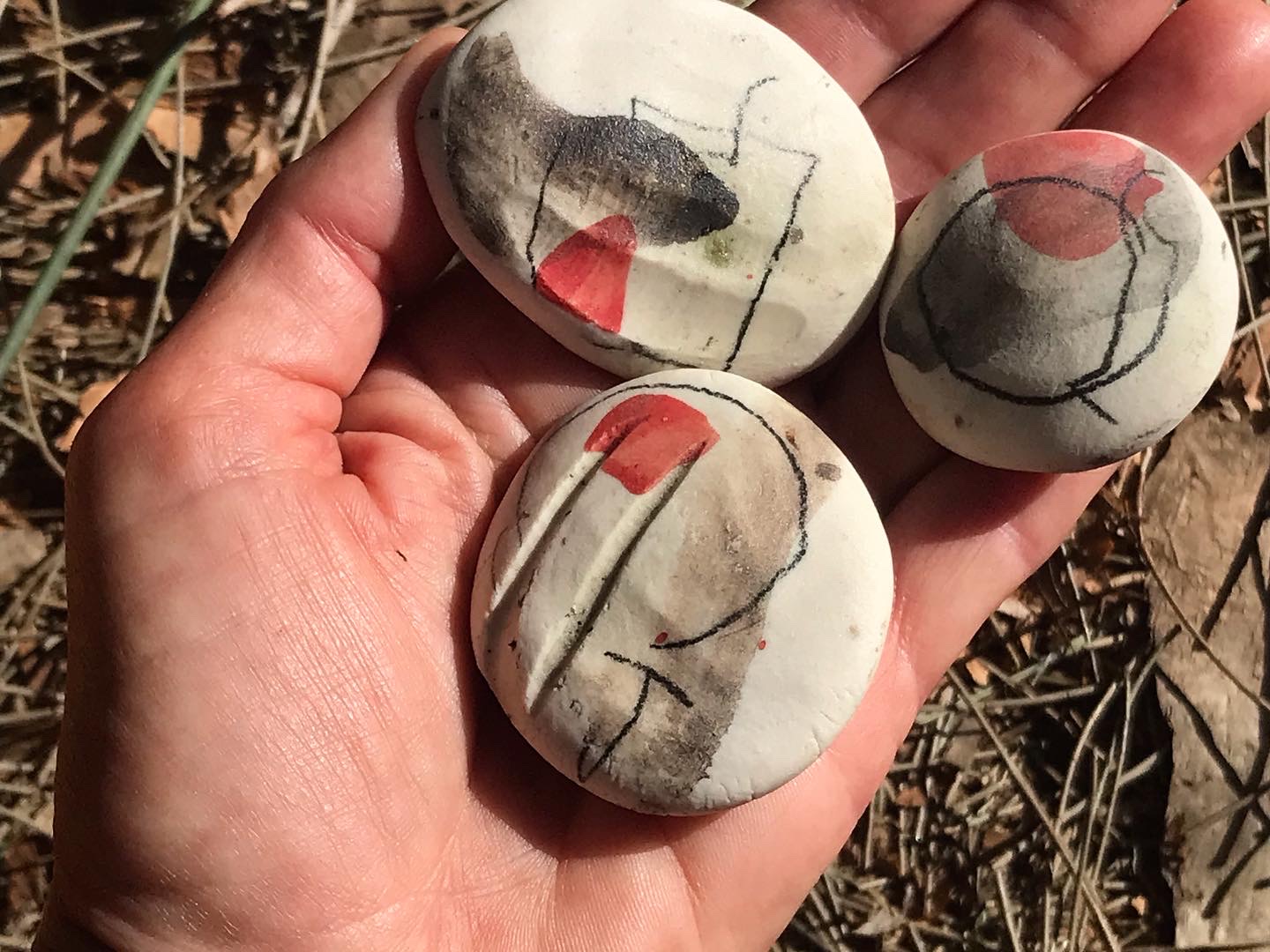
This installation comprises 84 wrapped parcels to correspond with the number of critically endangered species in Australia now. Visitors are invited to choose a parcel to take away, and in return, leave a note describing a way they can bring nature closer into their life. Inside the parcel is a porcelain token to use for contemplation.
The gradual diminishment of the installation echoes the extinction process, and leaves a bowl full of hope and connection.
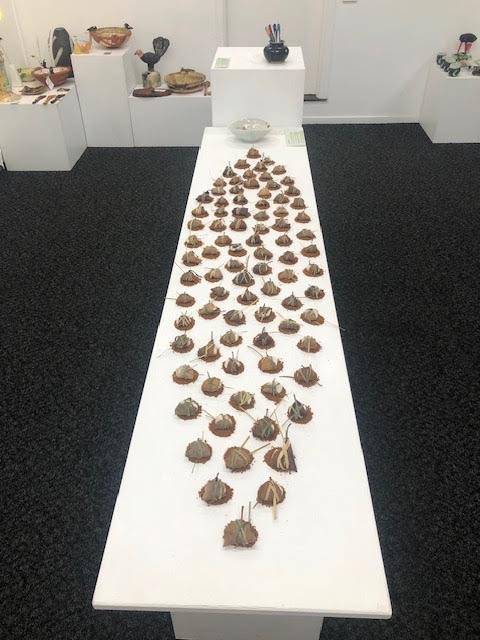
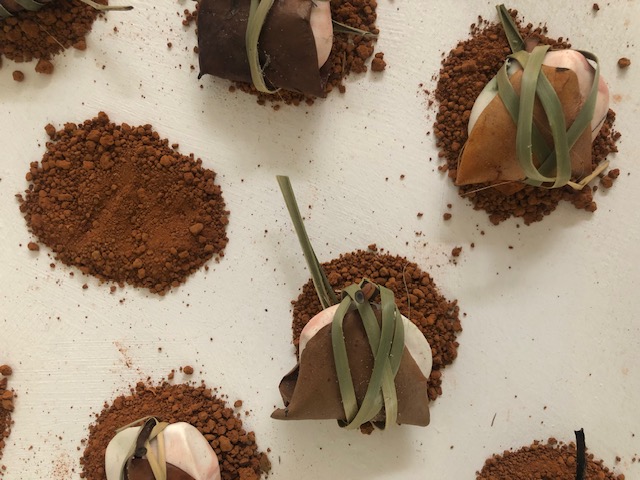
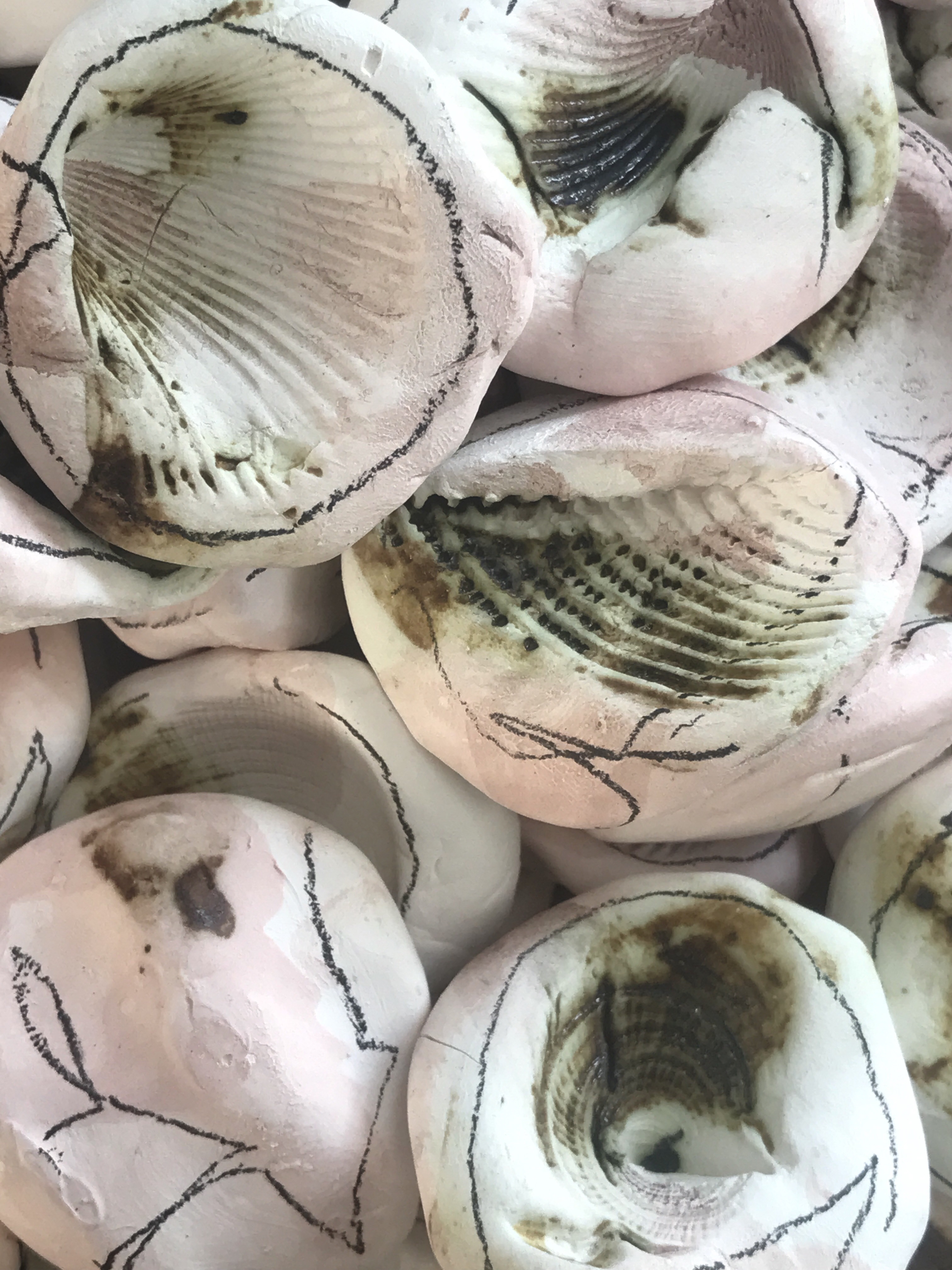
100 Gone, Byron Bay Writer’s Festival 2021.
Porcelain, earth (from 2 different locations, paperbark, lomandra leaves)
Australia has lost 100 species to extinction.
Viewers are invited to wander into this installation and carefully choose a parcel to take away, mindful that it cannot be returned. Inside each parcel is a small porcelain keepsake, worked over, decorated and lovingly polished; a gift from the artist. It is intended for use in contemplation. Viewers are asked in return, to think about what they can do to help protect biodiversity. The overall diminishment of the work once the parcels are gone, is a powerful visual reminder of the extinction process.
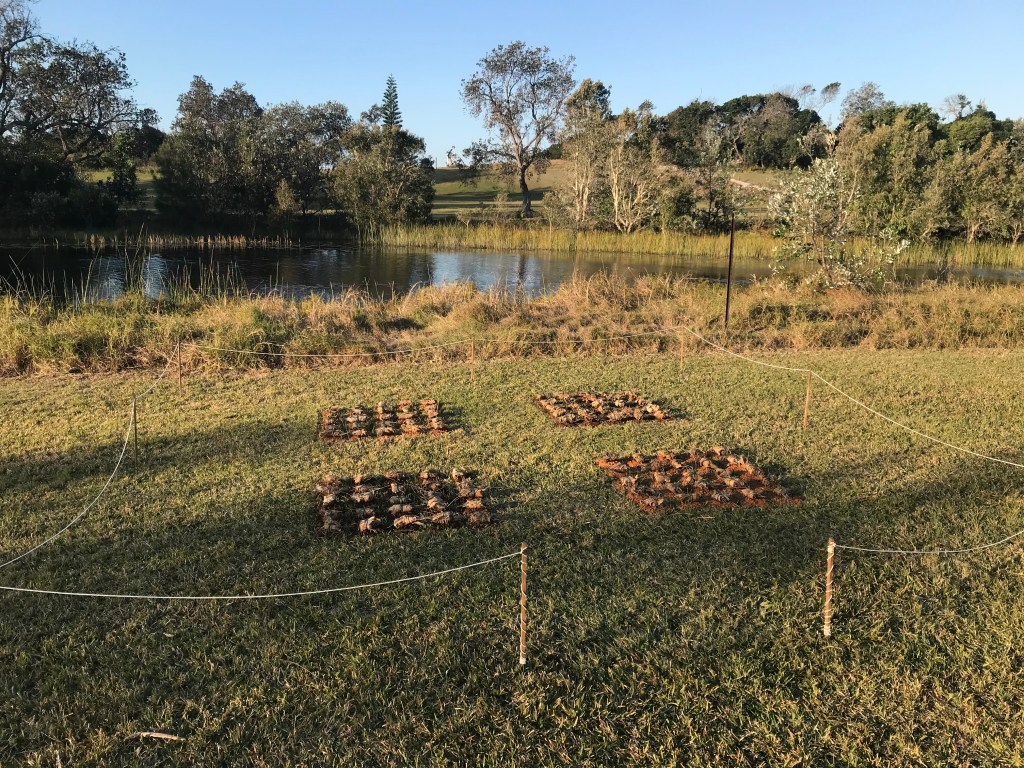
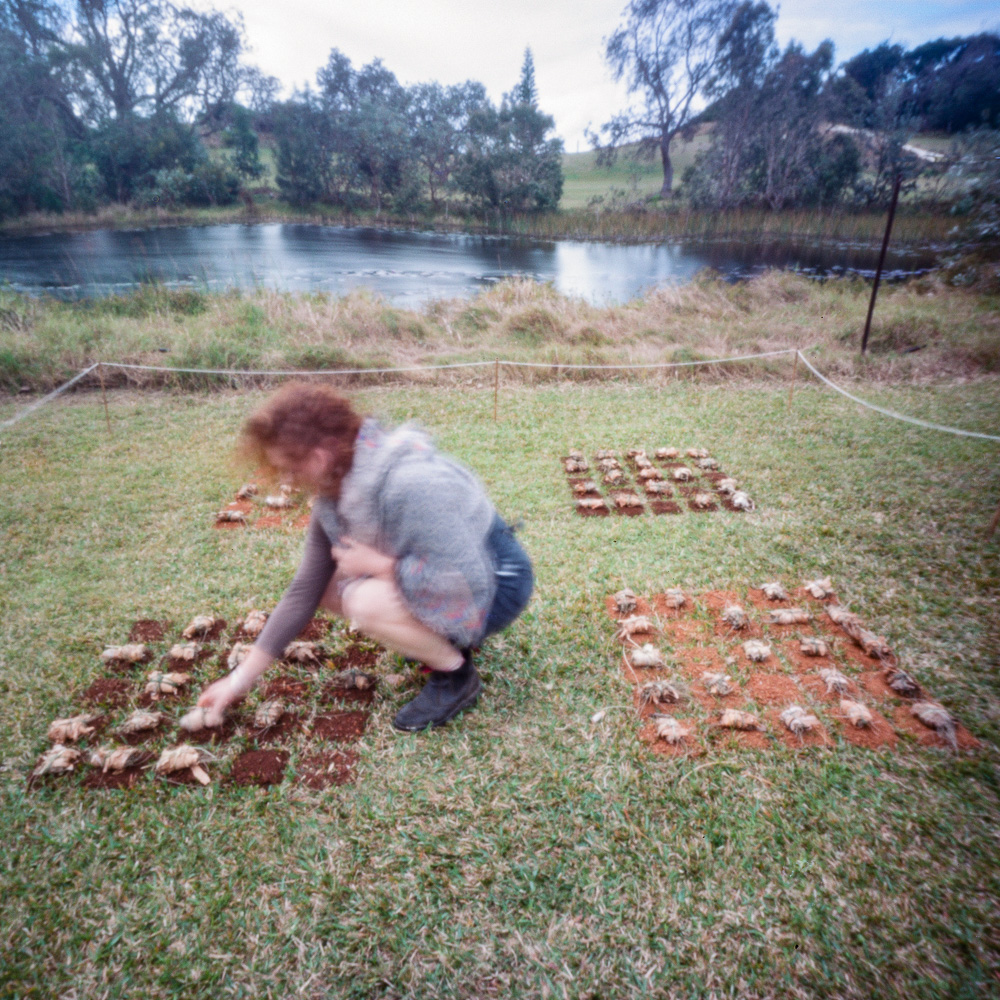
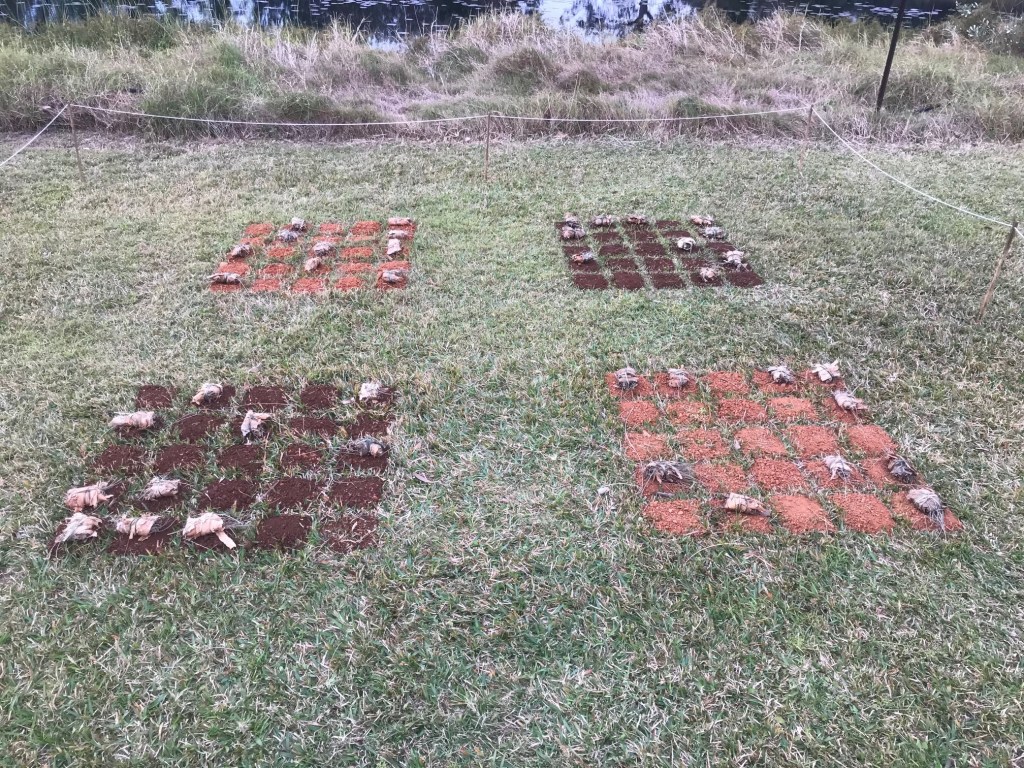
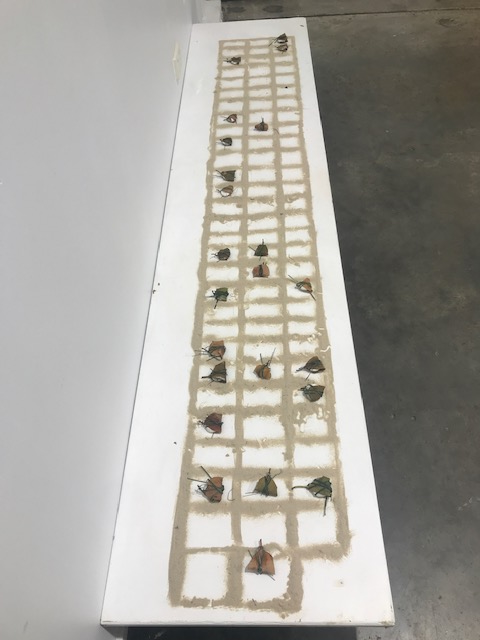
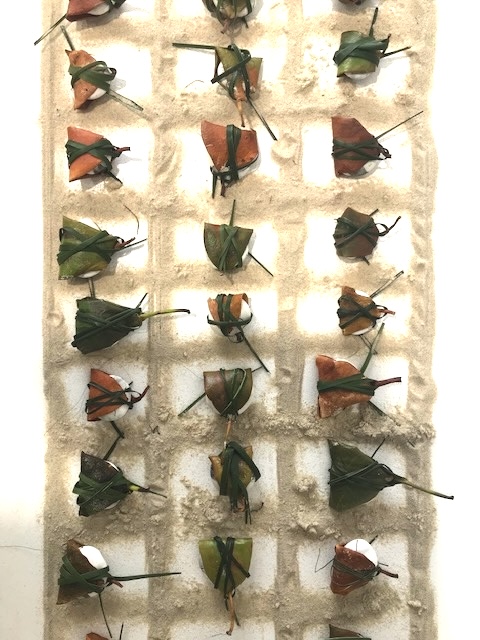
86 Critical, Gallery 7, Byron Bay, 2022. Porcelain, sand, mangrove leaves, lomandra leaves.
There are 86 species on Australia’s critically endangered list. The invited interaction is similar to that of the works above.