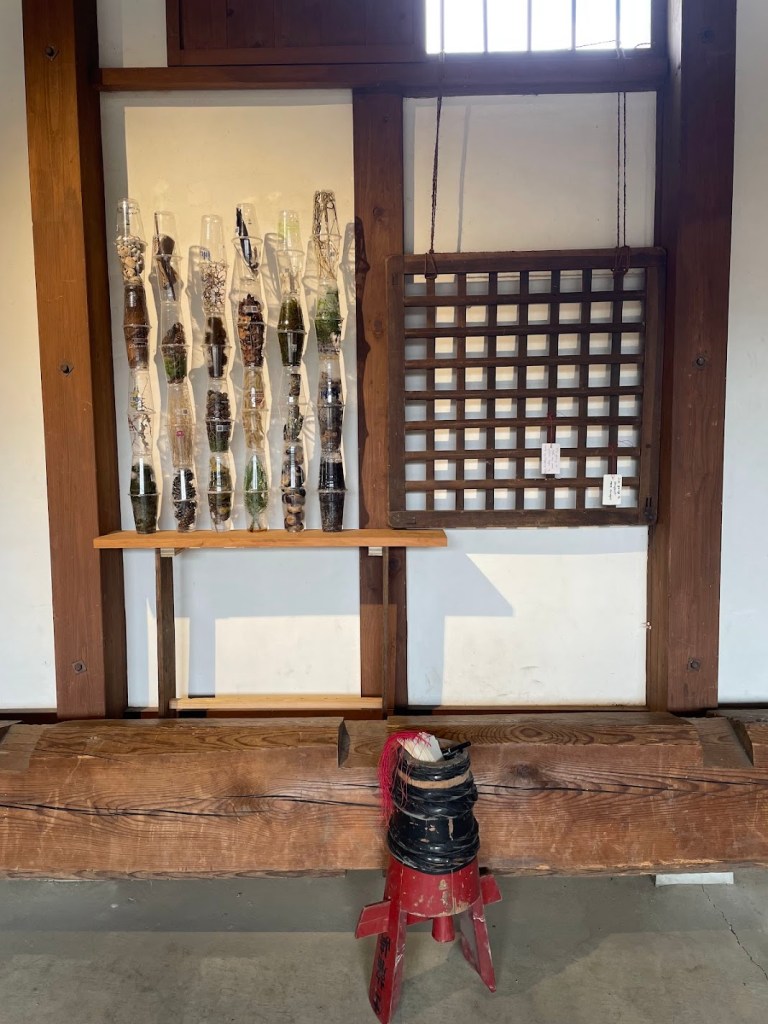
Separator. The Brewery, Onishi, Japan 2025
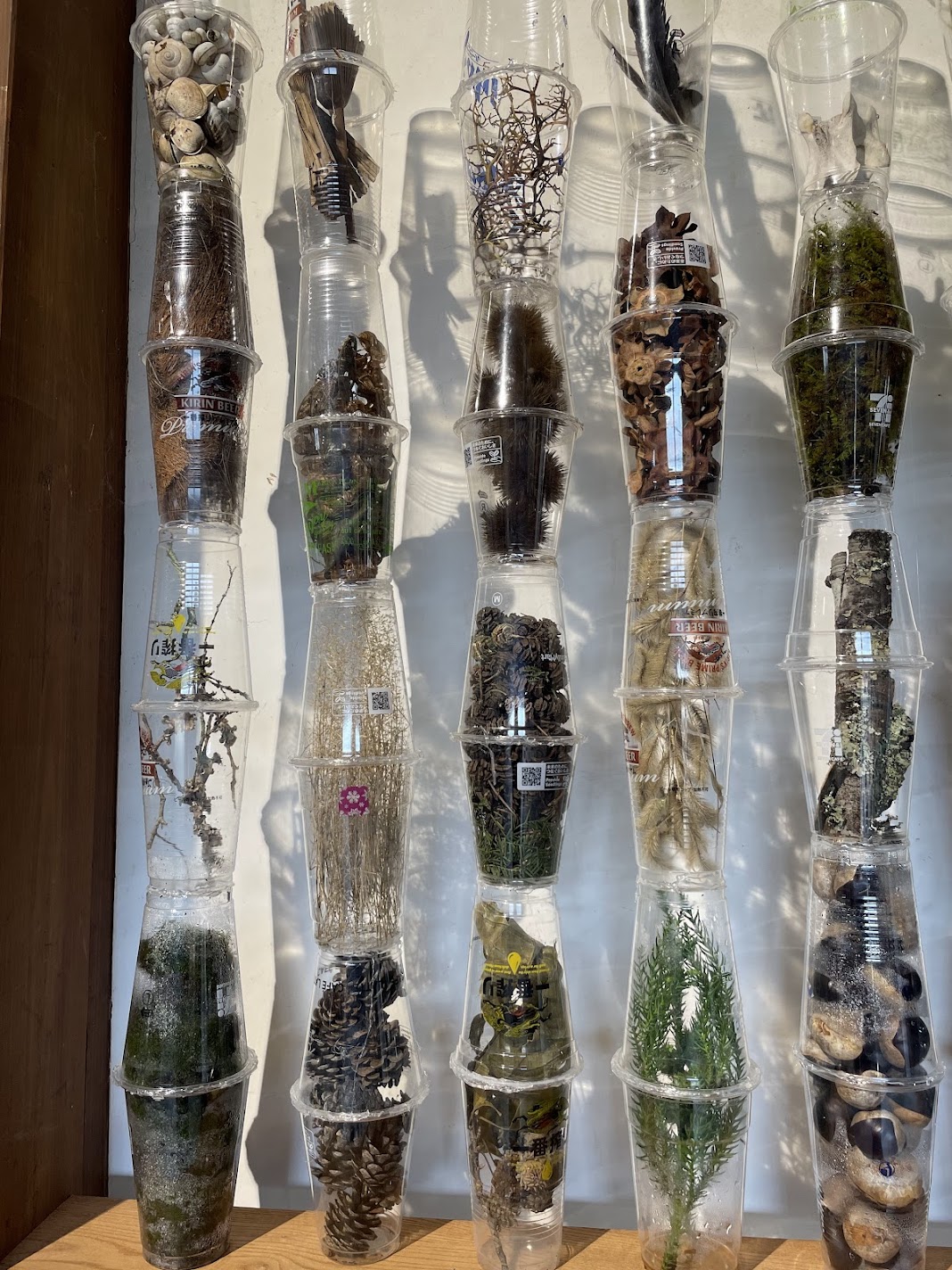
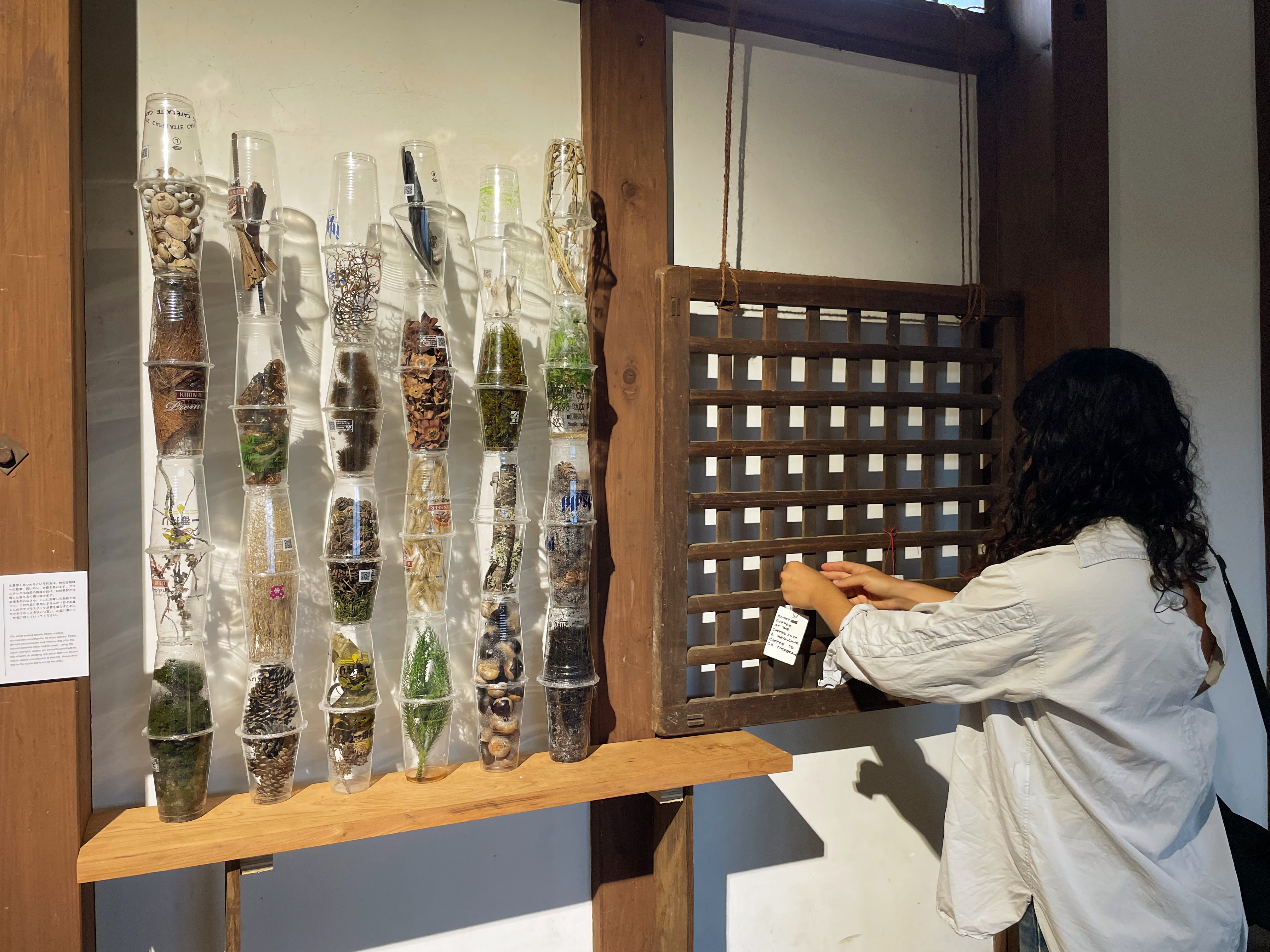
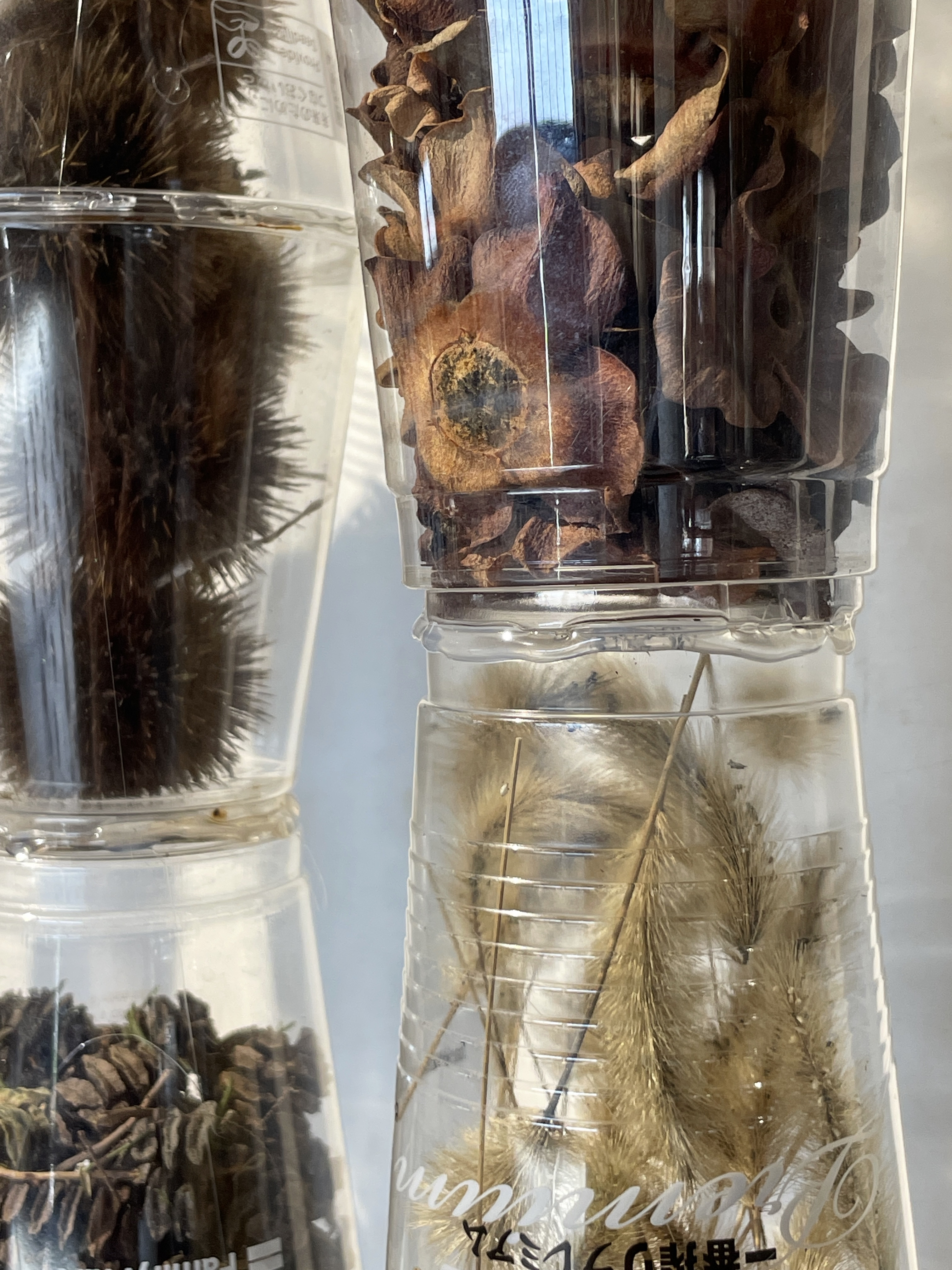
Materials: Used plastic cups, various organic materials including: cicada shells, grass heads, roadkill bone, feathers, moss, seeds, conifer branches, snail shells, pomegranite calyx’s, washi paper and red washi string.
Single use virgin plastic products are prevalent in Japan. Although these cups are made to stack one inside the other, when inverted, they create isolated internal spaces. Repeatedly stacked vertically, these make visually interesting columns of contained space. Each internal space then filled with an organic material and sealed, became an independent, isolated system subject to decomposition over time. In contrast, because plastic lasts indefinitely, the cups served to separate the internal natural world from the external world, allowing only visual examination by humans. Separator is thus a physical exemplar of the human:nature disconnect.
Visitors engaging with this work were invited to reflect on one way they could use less plastic in their life. They were asked to write it on a piece of washi and hang it on the frame provided in the same way that wishes are left as offerings at Japanese temples.


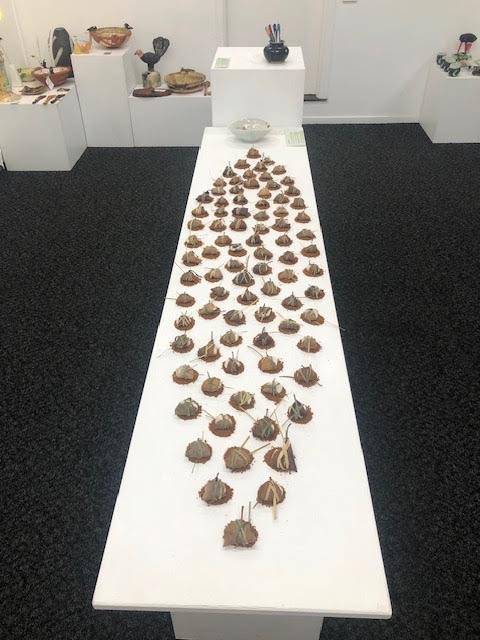
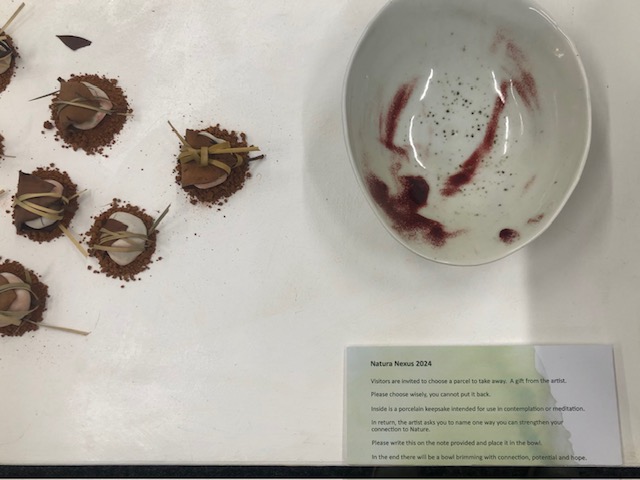
Natura Nexus, Lennox Art Collective 2024.
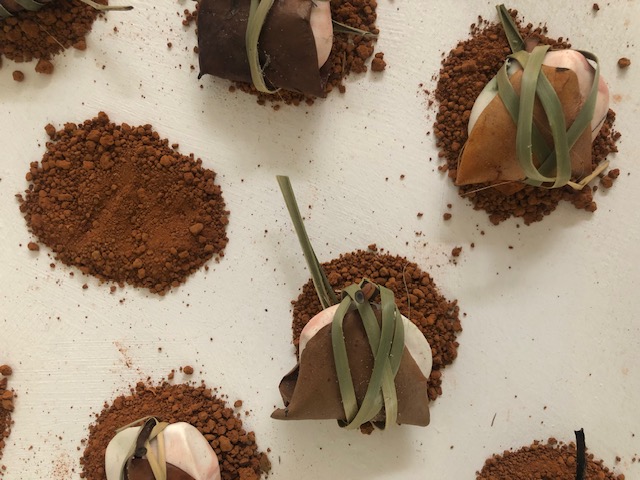
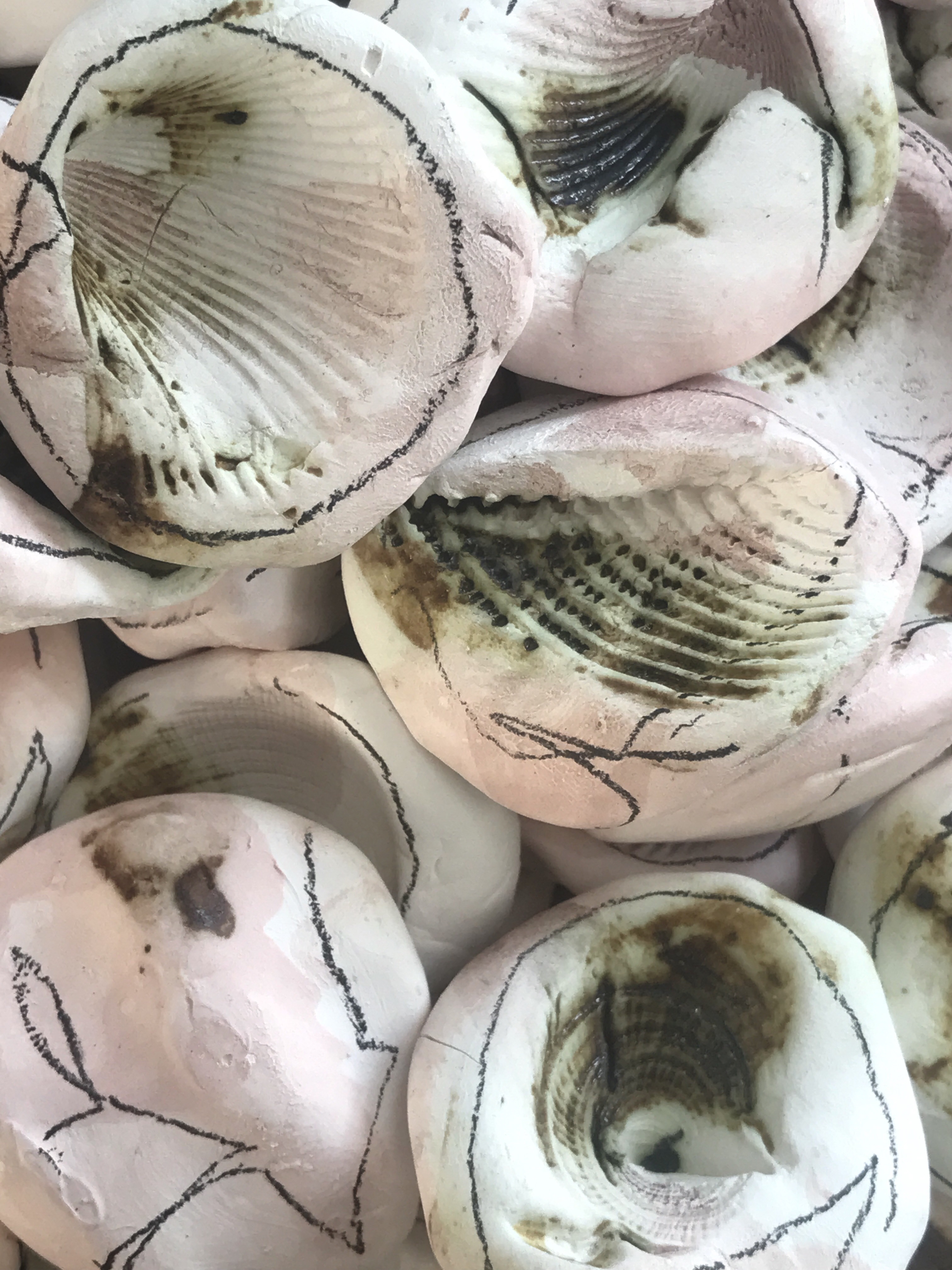
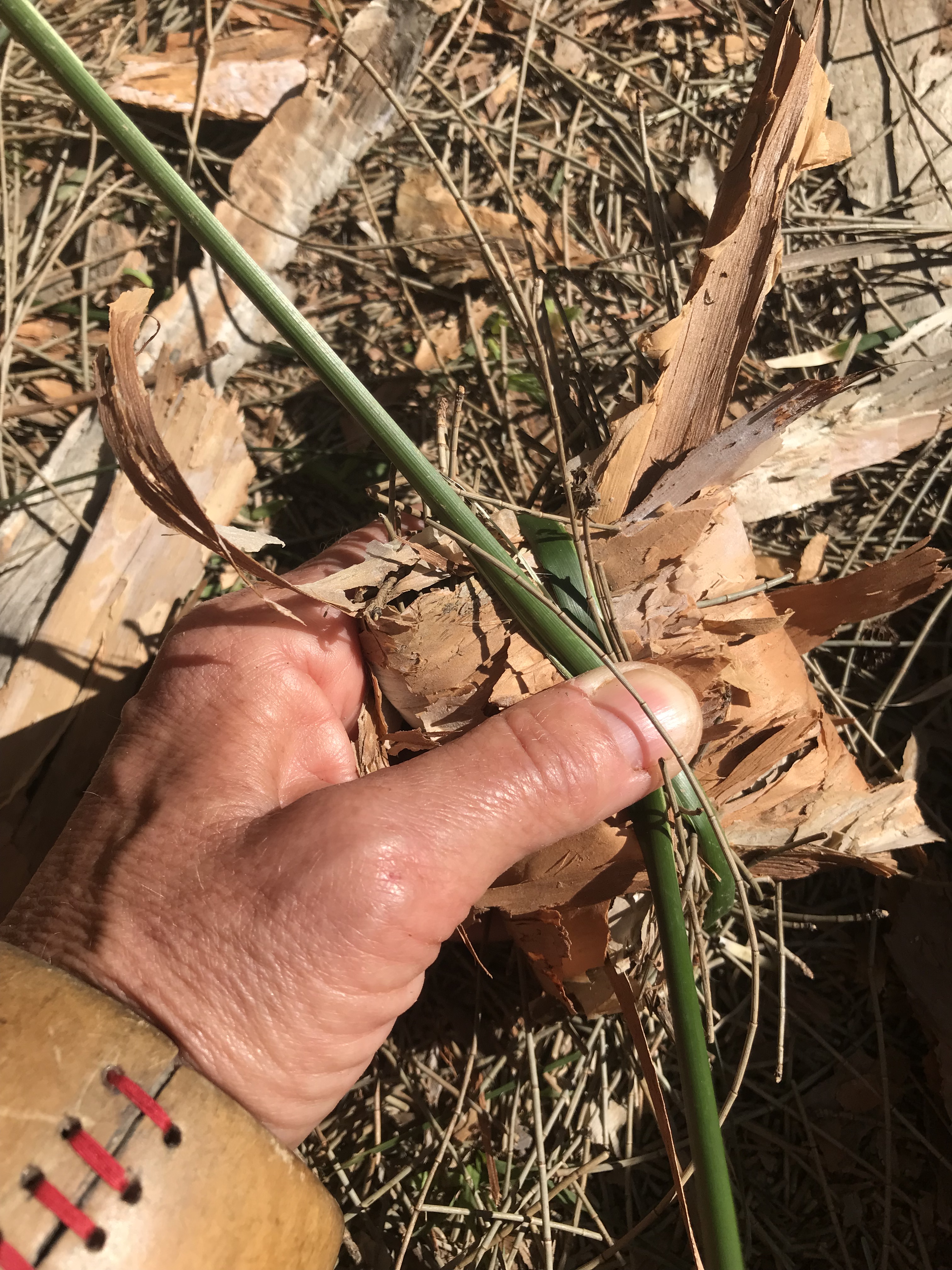
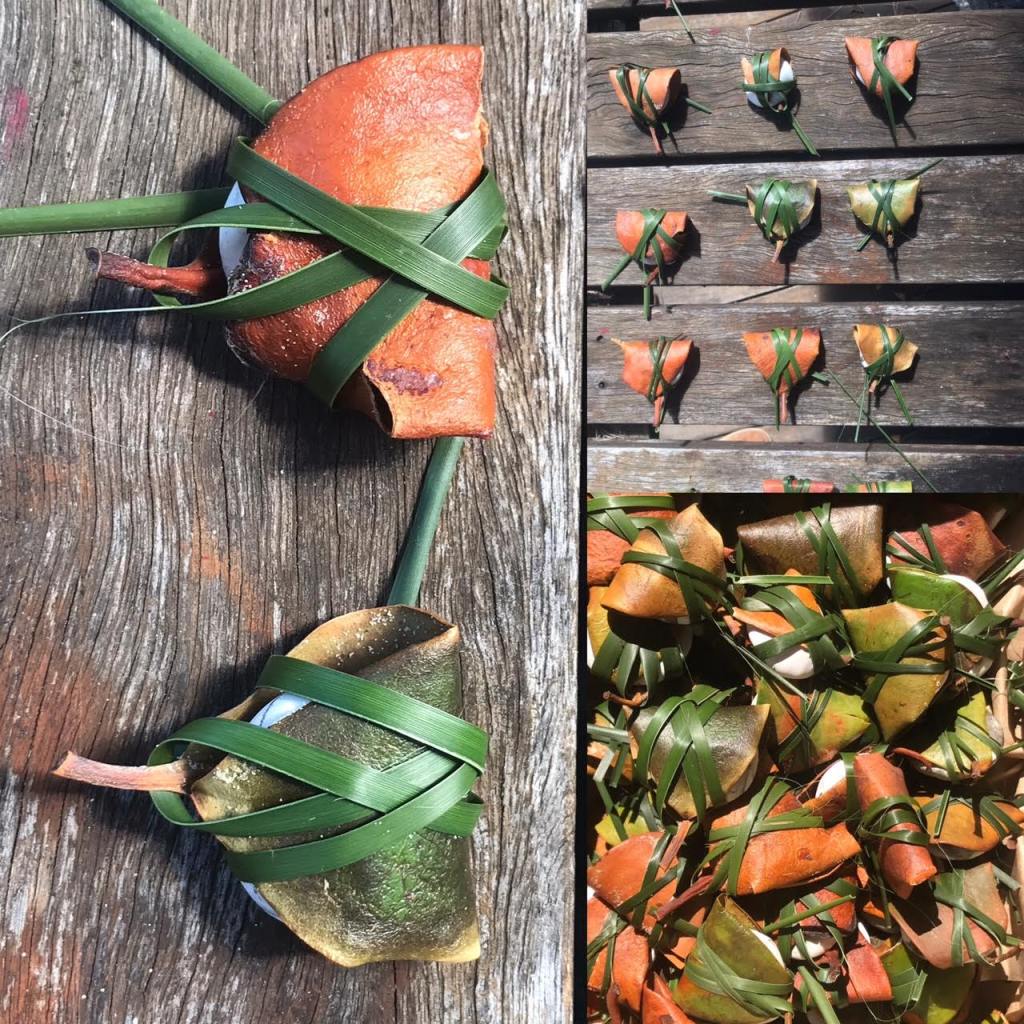
Porcelain (modelled, impressed, decorated and polished), earth, mangrove leaves (mangroves at risk due to habitat loss), lomandra leaves, drafting film.
This installation comprises 84 wrapped parcels to correspond with the number of critically endangered species in Australia now. Visitors are invited to choose a parcel to take away, and in return, leave a note describing a way they can bring nature closer into their life. Inside the parcel is a porcelain token to use for contemplation.
The gradual diminishment of the installation echoes the extinction process, and leaves a bowl full of hope and connection.
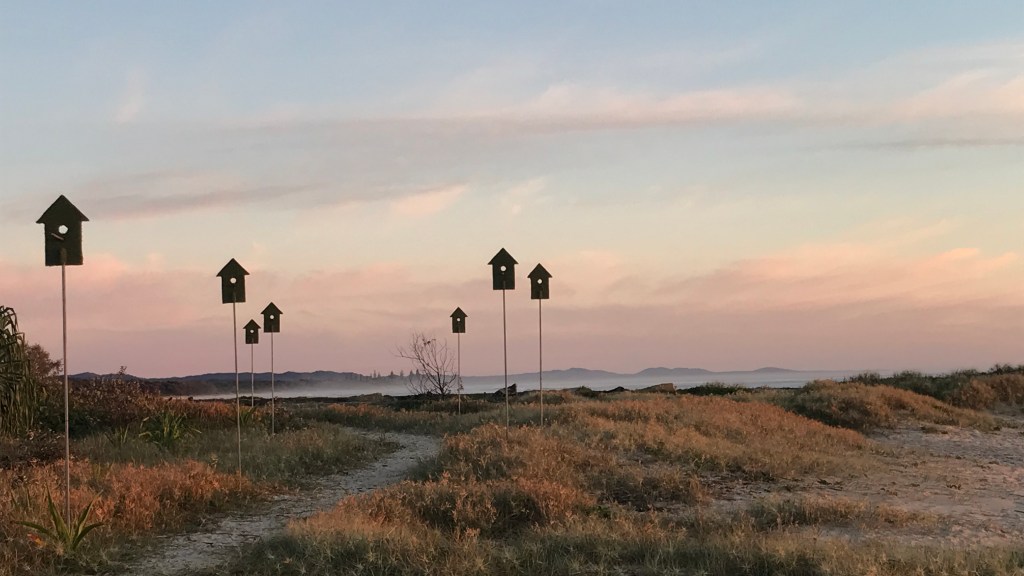
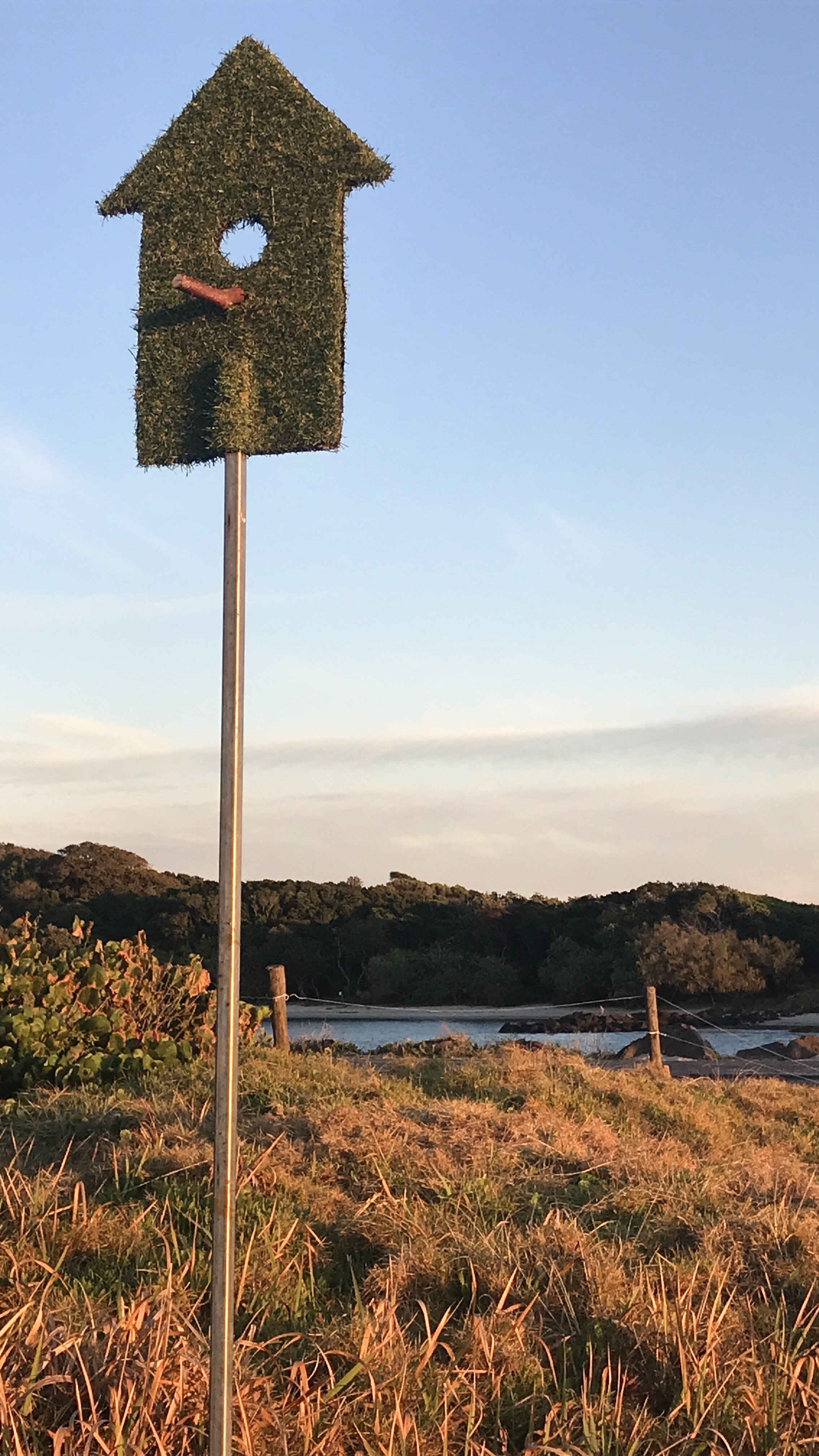
7 plate steel birdbox cutouts, welded steel posts, artificial grass, casuarina wood
Variations of ‘Urban Edge” have featured in my portfolio for a number of years and I still love to play with this work. I’m drawn to the elegance and simplicity and the resonance shifts in direct response to the chosen site. With a flexible number of components spanning a variety of distances and terrain, it becomes a new work each time it’s exhibited: Comfort Zone in the Casuarina Sculpture Walk, Urban Edge in the SWELL Sculpture Festival, Green Edge in the Brunswick Nature Sculpture Walk. The scale invites viewers to walk through and become part of the artwork. It’s also open to different interpretations. As the traditional thoughts of ‘home’ suggest comfort and safety, this installation presents a paradox in the flat 2dimensional facades. There is no safety in the man-made construct, no comfort for human or animal, rather the viewer is returned via the spy hole to the natural environment on the other side where connection is real and true.

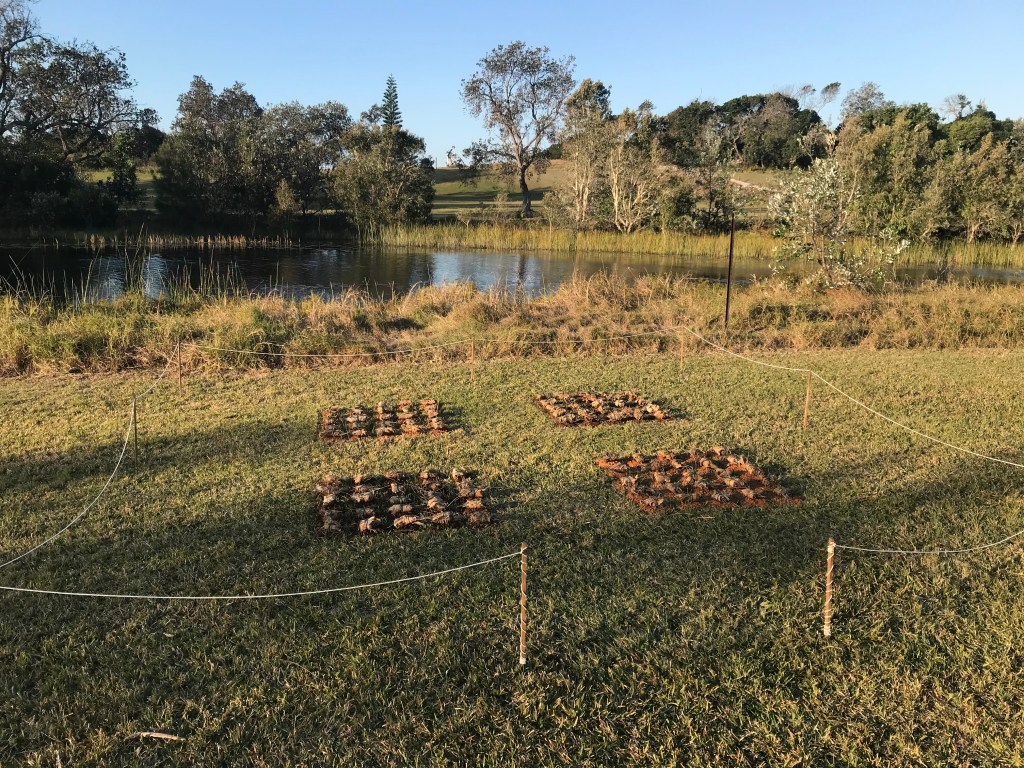
100 Gone, Byron Bay Writer’s Festival 2021.
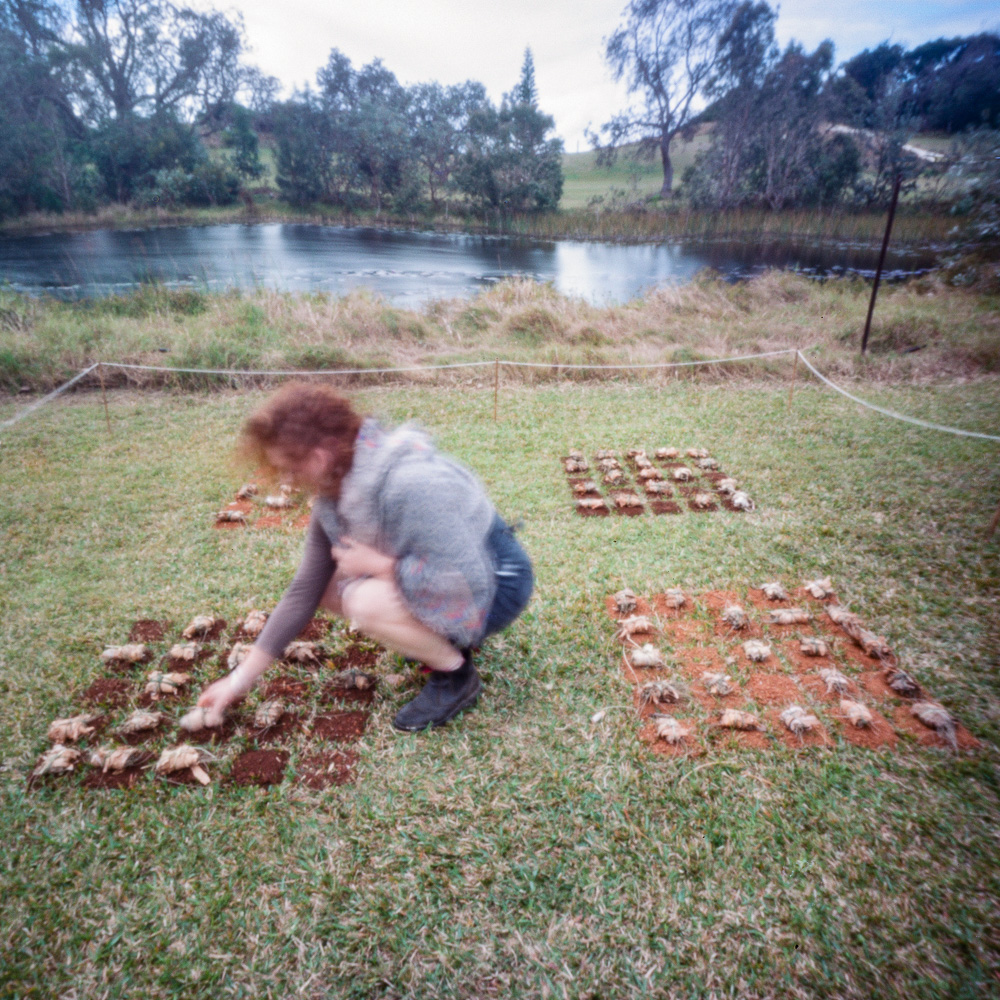
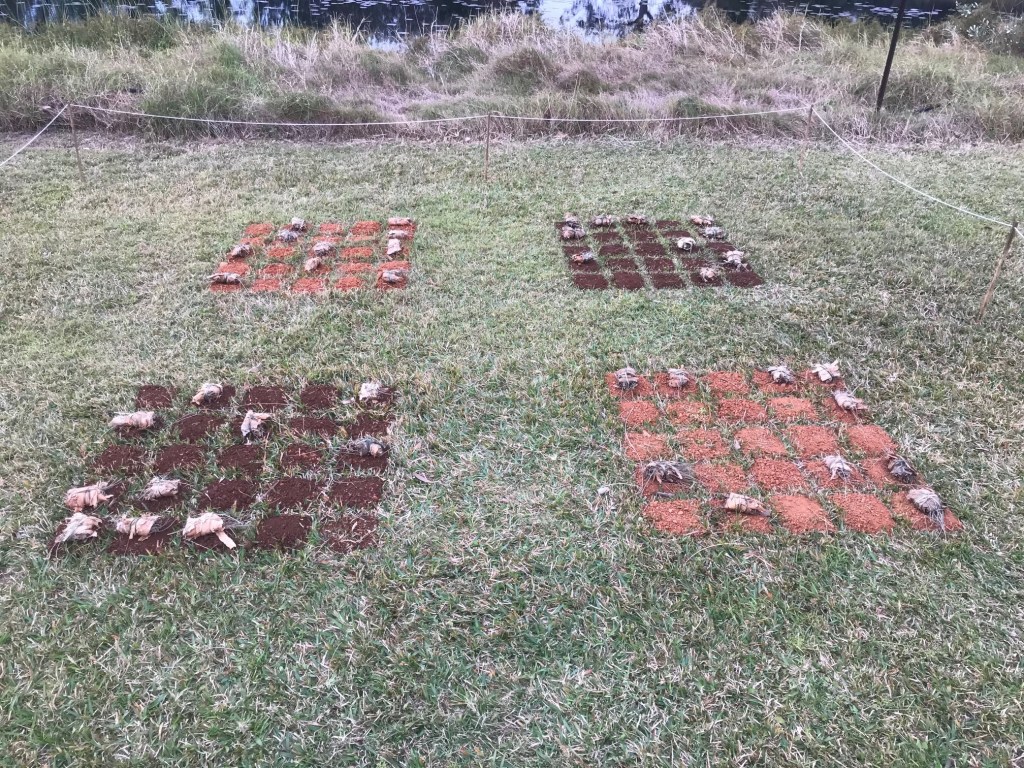
Porcelain, earth (from 2 different locations, paperbark, lomandra leaves)
Australia has lost 100 species to extinction.
Viewers are invited to wander into this installation and carefully choose a parcel to take away, mindful that it cannot be returned. Inside each parcel is a small porcelain keepsake, worked over, decorated and lovingly polished; a gift from the artist. It is intended for use in contemplation. Viewers are asked in return, to think about what they can do to help protect biodiversity. The overall diminishment of the work once the parcels are gone, is a powerful visual reminder of the extinction process.
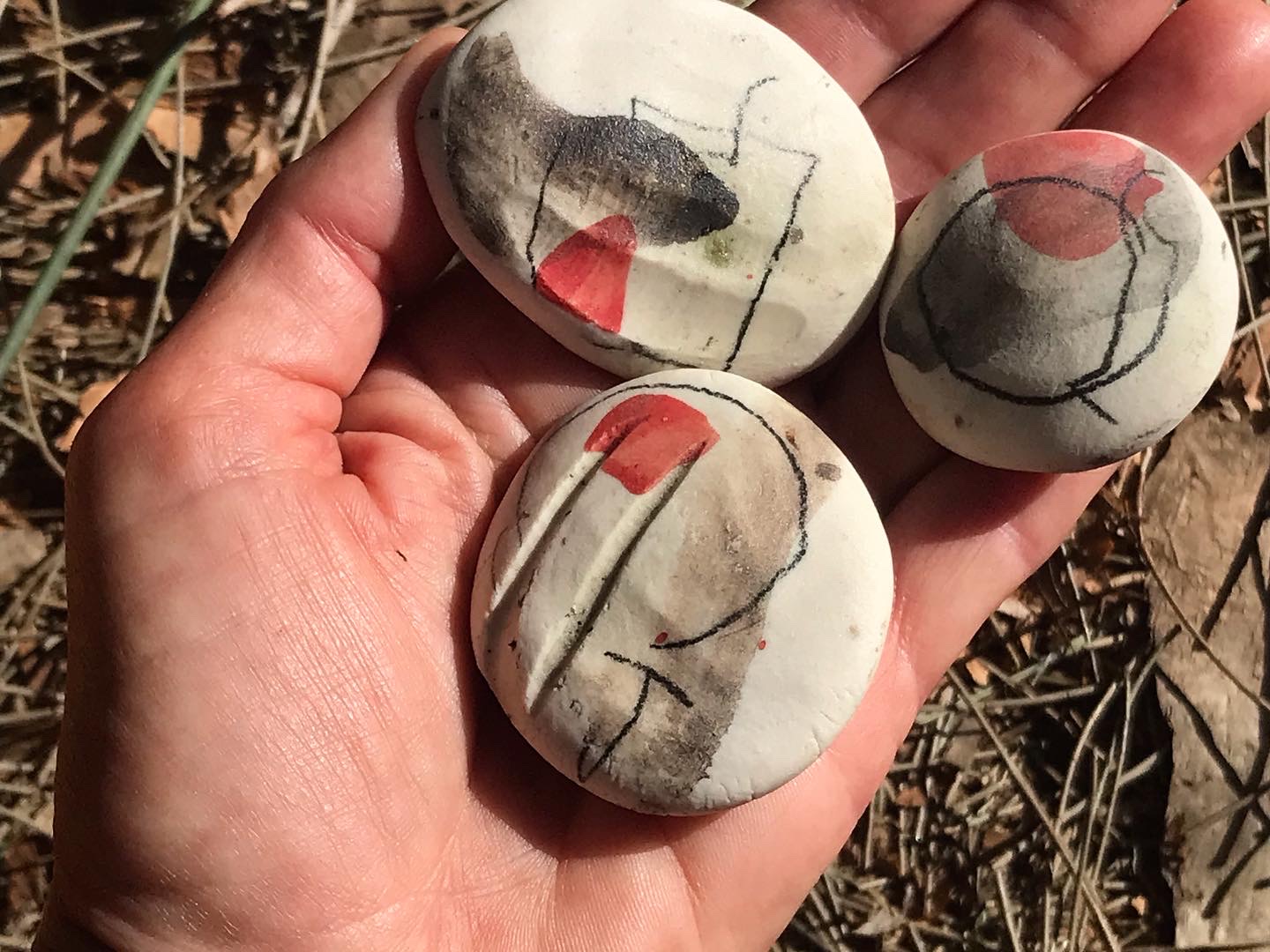
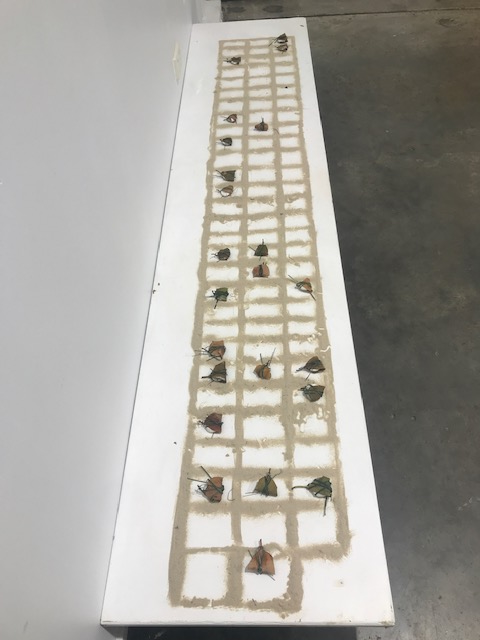
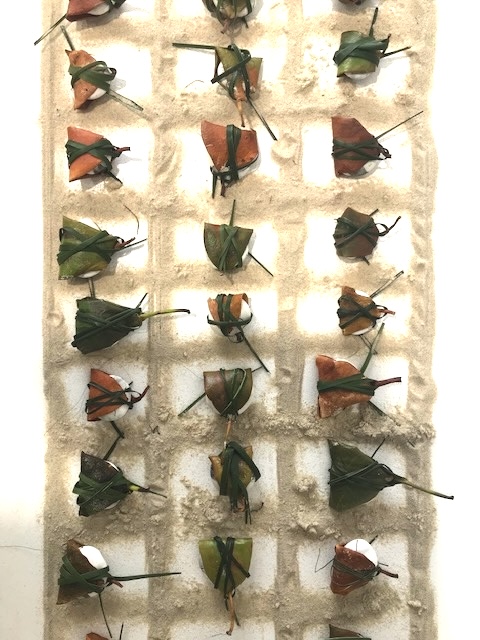
86 Critical, Gallery 7, Byron Bay, 2022. Porcelain, sand, mangrove leaves, lomandra leaves.
There are 86 species on Australia’s critically endangered list. The invited interaction is similar to that of the works above.
 catherine lane